
TL;DR
- Many bikes do not feel old because the frame is worn out. They feel old because small sources of drag and slop build up so gradually that the rider adapts to them. Official maintenance guides keep returning to the same checkpoints: tire pressure, brakes, chain condition, shifting, cables, and routine inspections. (REI)
- This article calls that buildup friction debt: low-cost maintenance you postpone until the ride starts feeling dull, noisy, heavy, or vague.
- Before you buy upgrades, run the Friction Debt Audit below. It can help you tell the difference between true age and neglected wear items.
- Chain wear is one of the most expensive examples of delay. Park Tool notes common replacement points of 0.5% for 11-12-speed chains, 0.75% for 5-10-speed chains, and 1.0% for many single-speed chains. (Park Tool)
- If you find frayed cables, brake issues, crash damage, squishy hydraulics, or grinding bearings, move from DIY to a bike shop quickly. (Trek)
A bike almost never wakes up one Saturday and becomes old. What most riders feel instead is accumulated resistance: tires a little soft, a chain a little worn, housing a little contaminated, pads a little thinner, bearings a little rough. Because each change happens slowly, you stop noticing the drift and start assuming the whole bike is past its prime. The maintenance basics published by major bike brands and repair guides point riders back to these same areas for a reason. (REI)
There is a financial implication involved in this. Riders often miscalculate and look to invest in a better groupset or wheelset or another new bicycle, but all they need is to have the inexpensive wear items replaced and an inspection conducted at least once a year. Once the hidden drag is resolved, then you will be able to make a better golf purchase decision, regardless if you ultimately wish to purchase a new bike.
The real culprit: friction debt
Friction debt is the maintenance backlog that does not strand you immediately but quietly taxes every ride. It shows up as heavy-feeling acceleration, delayed shifts, squeaks you keep tolerating, brake rub you have started to ignore, or a crank that no longer spins with that easy, clean feel. Manufacturers and repair guides treat air, brakes, chain condition, smooth shifting, cable health, and bearing checks as routine inspection items because those are the parts that control how efficiently and safely the bike moves. (REI)
Bike friction debt typically will
not lead to a major failure. It results in a buildup of multiple medium-range negative feelings and this confusion can result in misdiagnosing the bike as simply being worn out or tired. The truth is that the real problem with a bike in this condition is a collection of assorted non-related parts or techniques that haven’t had their adjustment or wear reset at the same time.
Run the Friction Debt Audit before you spend anything
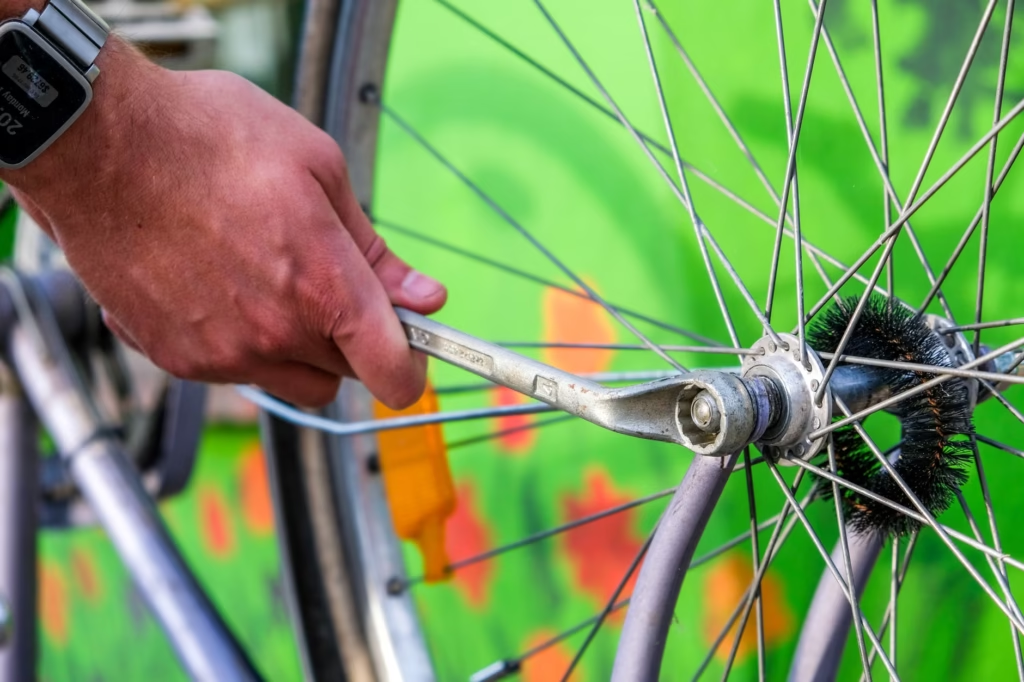
Use this original scorecard as a triage tool. Give each area 0, 1, or 2 points. The audit turns common pre-ride checks, cable inspection rules, chain-wear guidance, and brake-pad wear guidance into one quick decision framework. (REI)
| Area | 0 points | 1 point | 2 points | First move |
|---|---|---|---|---|
| Tires | Pressure is in range and tread looks healthy | You are usually underinflated or the tread is flattening | Sidewall cracks, slits, repeated flats, or obviously worn tread | Inflate with a gauge and inspect sidewalls |
| Chain and drivetrain | Quiet, clean enough, no skipping | Noisy, dirty, or rough under load | Past wear limit or skipping under power | Measure wear, clean, lube, and replace if needed |
| Shifting and cables | One click gives one shift | Extra clicks or mild delay | Frayed, rusty, kinked, or damaged cable/housing | Inspect housing ends and plan cable service |
| Brakes | Firm lever feel and no meaningful rub | Light rub or growing lever travel | Pads worn, lever too close to bar, or persistent rub | Inspect pads first, then align or service |
| Bearings and rotating parts | Wheels and cranks spin smoothly with no play | Minor roughness or faint wobble | Grinding, looseness, or obvious play | Stop guessing and get a shop check |
Score 0 to 3 and you are looking at normal upkeep. Score 4 to 6 and your bike likely needs a real reset this month. Score 7 or more and you should stop browsing upgrades until the basics are handled. Any safety issue jumps the line regardless of score: frayed cables, suspect crash damage, lever-to-bar braking, or grinding bearings are not wait-and-see problems. (Trek)
Why cheap wear items mimic old-bike syndrome
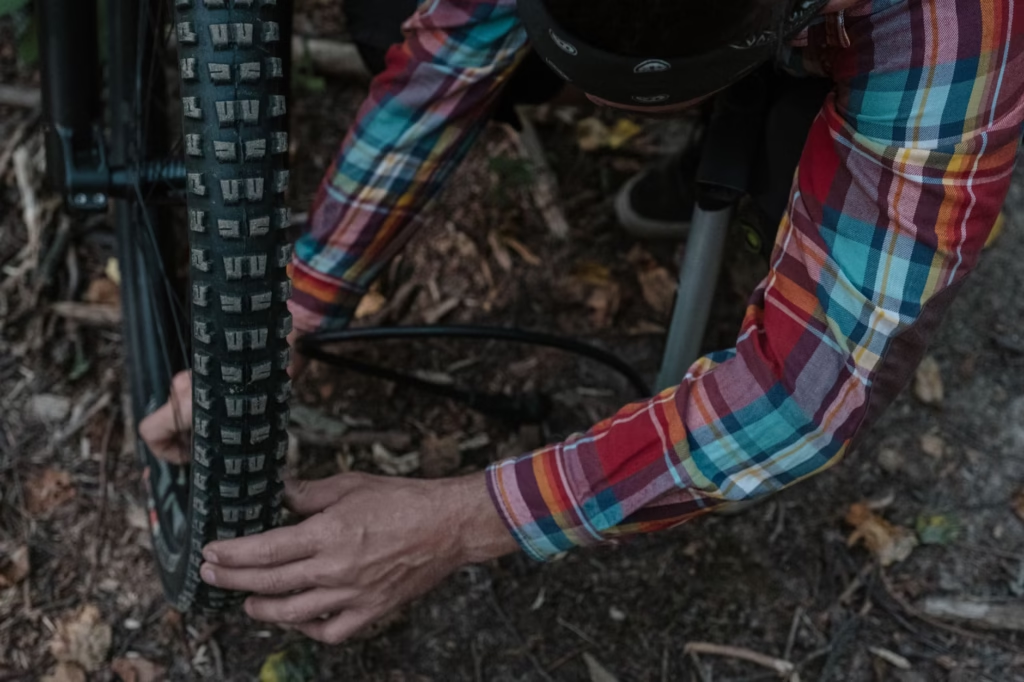
Start with tires because they affect feel immediately. REI and Trek both tell riders to check pressure against the sidewall guidance, and Trek adds that the lower of the tire or rim recommendation should win. Low pressure makes a bike feel sluggish and vague long before a puncture forces you to pay attention. Sidewall cracks and worn tread also make the bike feel worse while increasing flat risk. (REI)
Next is the chain, which is small, cheap, and financially important. REI notes that lubrication protects moving parts from excessive wear caused by friction, while excess lube attracts dirt and abrasive particles. Trek says proper lubrication helps the chain run smoothly and quietly and prolongs chain life. Park Tool lists common replacement thresholds at 0.5% for 11-12-speed chains, 0.75% for 5-10-speed chains, and 1.0% for many single-speed setups. That is why a bike can feel tired even though the expensive drivetrain parts are still salvageable if you act in time. (REI)
Cables and housing are a classic hidden culprit on mechanical bikes. Riders blame the derailleur because that is the visible part, but Park Tool notes that friction along the shift cable prevents consistent derailleur movement and that replacing housing and cable is often the best fix. Trek’s owner manual also tells riders to inspect cables for kinks, rust, broken strands, and frayed ends, and to inspect housing for loose wire strands, bent ends, cuts, and worn areas. When those parts degrade, the whole bike feels old because every shift arrives late or with extra effort. (Park Tool)
Brakes can create both safety problems and sneaky drag. REI advises riders to make sure the levers engage smoothly and do not pull all the way to the grips, and to watch or listen for pad rub when the wheel spins. Park Tool notes that even slight disc rub can be annoying, and sometimes more than annoying if it reflects a larger alignment issue. SRAM says its disc pads should be inspected monthly, or more often in sandy or dirty conditions, and replaced when backing plate plus pad material measures 3 mm or less. (REI)
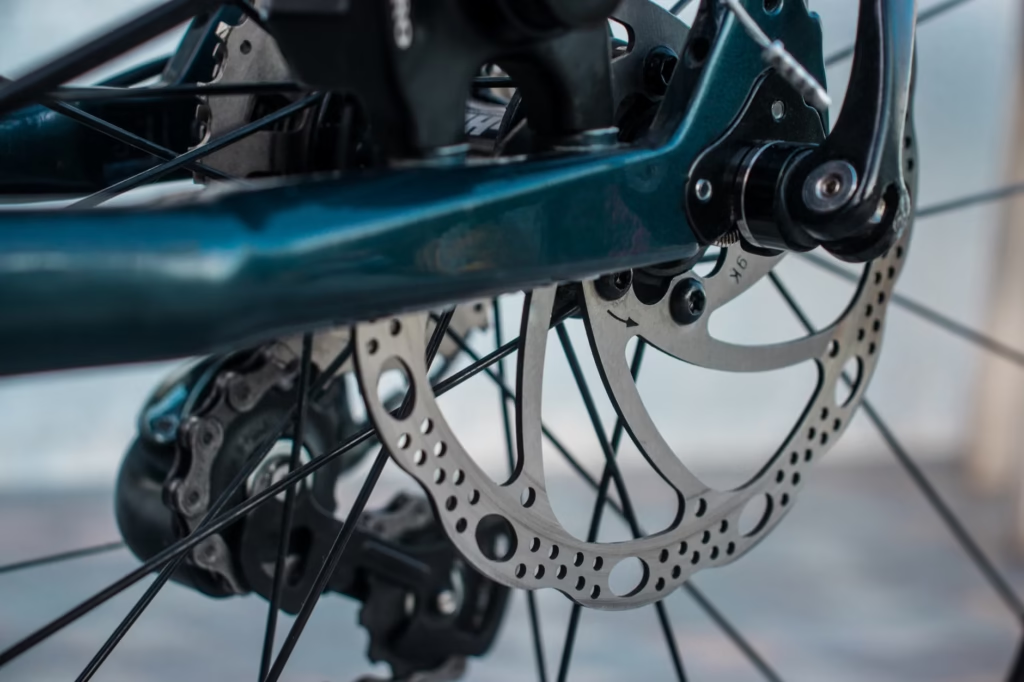
Then there are bearings and rotating parts. Trek tells riders to stop and get service if the crank feels or sounds loose, if a grinding noise appears, or if hubs feel loose or rough. Those problems often get mistaken for “this bike just feels worn out now,” when the better interpretation is that the bike is asking for service from someone with the right tools. (Trek)
What the money looks like in real life
Illustrative example: a rider uses a hybrid for a 12-mile round-trip commute four days a week, plus a weekend errand run. By spring, the bike feels slow and irritating, and the rider starts thinking about replacing it. The Friction Debt Audit shows soft tires, a chain past its wear point, contaminated shift housing, and front pads nearly done. Instead of abandoning a sound bike, the rider approves an illustrative $220 reset for parts and labor. That is not a national price survey. It is a realistic budget exercise showing why a service-first approach can beat upgrade shopping. If the worn chain keeps running until it starts damaging the rest of the drivetrain, the same visit can get much more expensive. (Park Tool)
| If the bike feels… | Spend first on… | Why this beats an upgrade | Likely payoff |
|---|---|---|---|
| Heavy and dull | Tire pressure, then tires if worn | Rolling feel changes immediately | Quicker ride feel and fewer flats |
| Noisy or gritty under load | Chain check, cleaning, and possible replacement | Protects the rest of the drivetrain | Quieter pedaling and smoother power |
| Late to shift | Cable/housing service and indexing | Fixes the control problem at the source | Cleaner gear changes |
| Weak or draggy when stopping | Pad inspection, alignment, and brake service | Safety comes before performance extras | Better stopping and less drag |
| Rough when spinning or wiggling parts | Professional bearing inspection | Prevents money wasted on guesswork | Clear repair-or-replace decision |
A 30-minute ride-feel reset before you buy anything
If your score is moderate, do this reset first. It is fast, cheap, and based on the same checks major maintenance guides recommend riders use before or during the season. (REI)
- Inflate both tires with a pump and gauge. Use the pressure guidance printed on the tire sidewall, and follow Trek’s advice to stay at the lower of the tire or rim maximum if both are listed. (REI)
- Spin each wheel. Look and listen for brake rub, wobble, or anything contacting where it should not. REI recommends checking for pad rub during the spin test. (REI)
- Check lever feel and pad wear. The brake lever should not come all the way to the bar. If you run SRAM disc brakes, inspect pad thickness and replace at 3 mm total thickness or less. (REI)
- Clean and lube the chain properly. REI warns that over-lubing attracts dirt, and Trek says to wipe off excess after applying bike-specific chain lube. (REI)
- Shift through every gear in a stand or during a short test ride. Delays, repeated clicking, or missed shifts are clues, not personality traits. REI and Trek both treat smooth shifting as a basic inspection point. (REI)
- Inspect cables and housing ends. If you see rust, broken strands, kinks, bent housing, or worn spots, stop trying to solve it with barrel adjusters alone. (Park Tool)
- Wiggle the crank and check wheel play. Any grinding or looseness moves this out of quick-reset territory and into shop territory. (Trek)
Common mistakes that waste money
- Adding fresh lube to a filthy chain and calling it maintenance. Dirt plus excess lube becomes grinding paste. (REI)
- Turning barrel adjusters for weeks when the real problem is drag inside old cable housing. (Park Tool)
- Ignoring tire pressure because the bike is still technically rideable. A bike can feel terrible before it feels flat. (REI)
- Cleaning with high-pressure water, which Trek and REI both warn can damage sensitive parts or bearings. (REI)
- Spraying lubricant where it should never go, especially on braking surfaces. Trek explicitly warns against lubricant on rim sidewalls or disc rotors. (Trek)
- Buying upgrades before measuring chain wear, checking pads, or inspecting cables. Fancy parts do not cancel neglected basics.
When the easy fix is not enough
Sometimes the bike really does need bigger work. If you crashed and the bike does not feel right, if carbon parts may have taken an impact, if the brake lever feels squishy, if pads are worn out, if cables are damaged, or if the crank or hubs feel rough or loose, the right move is not more home experimenting. Trek tells riders to stop when they suspect crash damage or serious roughness, and REI says not to take chances with brakes. (Trek)
If you do not have much money, get a diagnostic and a tiered estimate from a shop: Safety items may be repaired first, followed by items that impact ride quality, and nice-to-have items last. Doing this will prevent you from spending small amounts of money on random parts. In older or less expensive bicycles, the cost of labor will exceed the value of the bicycle unless you have a true diagnosis before you decide that your bicycle is not worth fixing.
How to verify that the reset actually worked
- Write down your Friction Debt Audit score before you touch the bike and again after the reset.
- Use the same short test loop before and after. Count missed shifts, brake rub noise, and any hand force needed to stop.
- Record tire pressure for two weeks. If the bike feels good only on the day you pump it, you may have a slow leak or a worn tire.
- Measure chain wear with a proper checker if you have one, especially on 11- and 12-speed drivetrains where the common replacement threshold is earlier. (Park Tool)
- If you go to a shop, ask to see the worn part and keep the old one if possible. It is the easiest way to learn what actually changed.
Bottom line
The hidden maintenance problem that makes bikes feel old too soon is usually not age. It is friction debt. Before you spend on upgrades or talk yourself into replacement, reset the cheap wear items that control pressure, drag, shifting, braking, and smooth rotation. Much of the time, that is where the ride quality disappeared in the first place. (REI)
Safety note: This article is general information, not a substitute for a qualified mechanic. If you find brake problems, cable damage, grinding bearings, crash damage, or suspected carbon damage, stop riding and get the bike inspected. (Trek)
FAQ
What part most often makes a bike feel old before its time?
Usually it is not one part alone. Tires, chain wear, cable friction, and brake drag are the most common cluster because each one worsens gradually and changes basic ride feel before the frame or major parts are actually worn out. (REI)
How often should a regular rider get a professional tune-up?
REI says riders who ride regularly should consider twice-yearly tune-ups so harder-to-evaluate parts such as derailleurs, cables, spokes, and bearing surfaces can be inspected and serviced. (REI)
Should I replace a chain even if it still kind of works?
Often, yes. Chain replacement is partly about protecting the rest of the drivetrain, not just fixing obvious skipping. Park Tool lists common replacement points at 0.5% for 11-12-speed, 0.75% for 5-10-speed, and 1.0% for many single-speed chains. (Park Tool)
How do I know when a shifting problem is really a cable problem?
Look for delayed shifts, repeated clicking, rust, broken strands, frayed ends, kinks, or damaged housing. Park Tool notes that friction in the shift cable can prevent consistent derailleur movement, and Trek tells riders not to ignore visible cable or housing damage. (Park Tool)
What symptoms mean I should stop riding and call a shop?
Stop riding for lever-to-bar braking, worn brake pads, frayed or damaged cables, grinding or loose bearings, or any bike that does not feel right after a crash. Those are service issues, not just comfort issues. (SRAM)
References
- REI Expert Advice: Bike Maintenance Basics – https://www.rei.com/learn/expert-advice/bike-maintenance.html?msockid=095fcf7074496b6e1d44d91c75fb6acc
- REI Expert Advice: Get Your Bike Ready for Riding Season – https://www.rei.com/learn/expert-advice/spring-cycling.html
- Trek Bicycle Owner’s Manual (EN-US, Rev 6, Apr 2026) – https://media.trekbikes.com/image/upload/v1777060271/TrekBicycleOwnersManual_EN-US_Rev6_Apr2026.pdf
- Park Tool CC-2 Chain Checker Instructions – https://www.parktool.com/assets/doc/product/CC-2_instructions.pdf
- Park Tool: Rear Derailleur – Advanced Troubleshooting – https://www.parktool.com/en-us/blog/repair-help/rear-derailleur-advanced-troubleshooting
- SRAM Support: When should my SRAM brake pads be replaced? – https://support.sram.com/hc/en-us/articles/5927458875931-When-should-my-SRAM-brake-pads-be-replaced
- Park Tool: Hydraulic Disc Brake Alignment – https://www.parktool.com/en-us/blog/repair-help/hydraulic-disc-brake-alignment