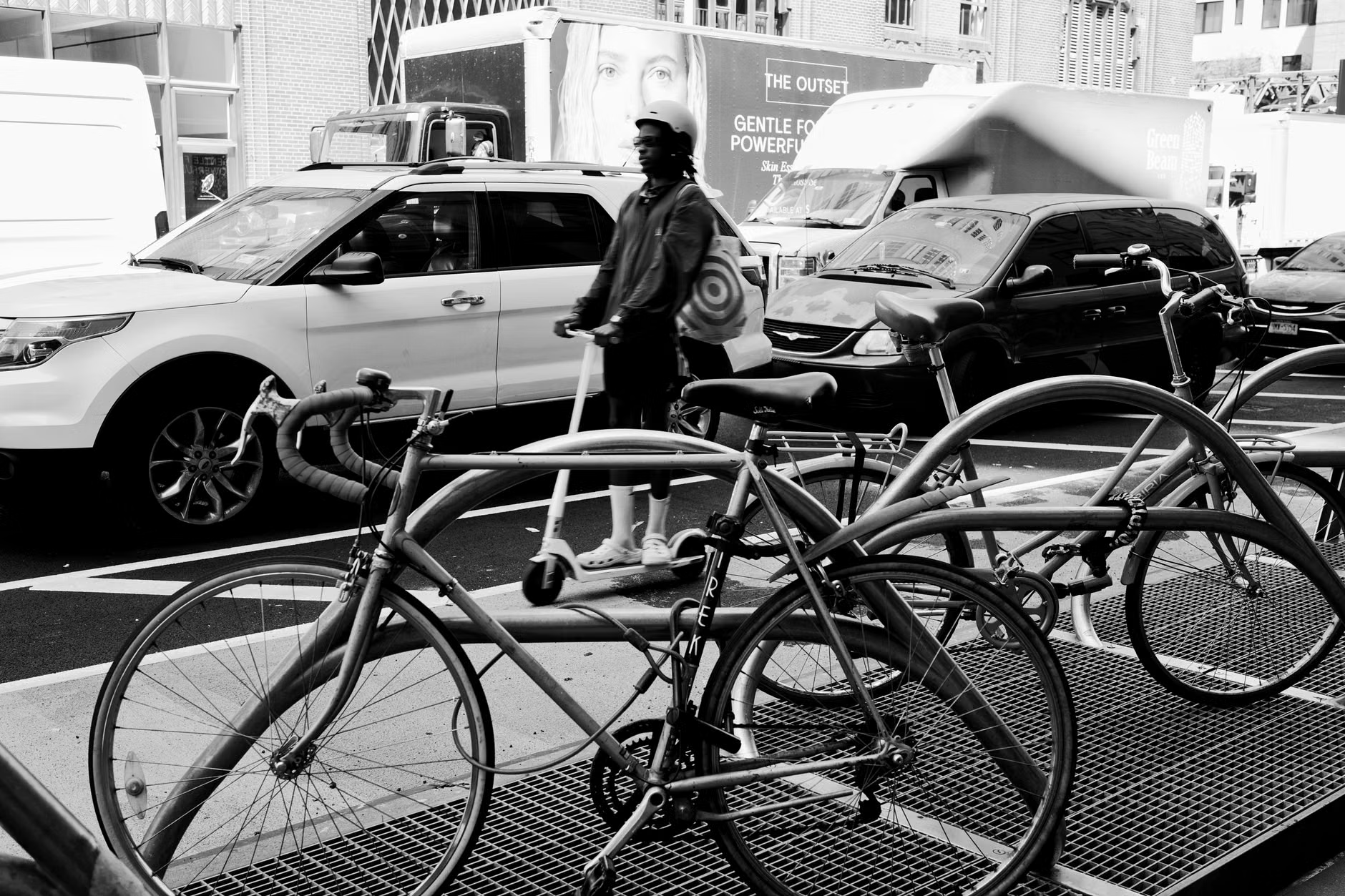
Bike Commuting
A city bike can handle much more than a lock and a water bottle, but the right carrying setup matters. For most riders, the smartest approach is to put weight on the bike, keep it low and secure, and match the storage to


A city bike can handle much more than a lock and a water bottle, but the right carrying setup matters. For most riders, the smartest approach is to put weight on the bike, keep it low and secure, and match the storage to
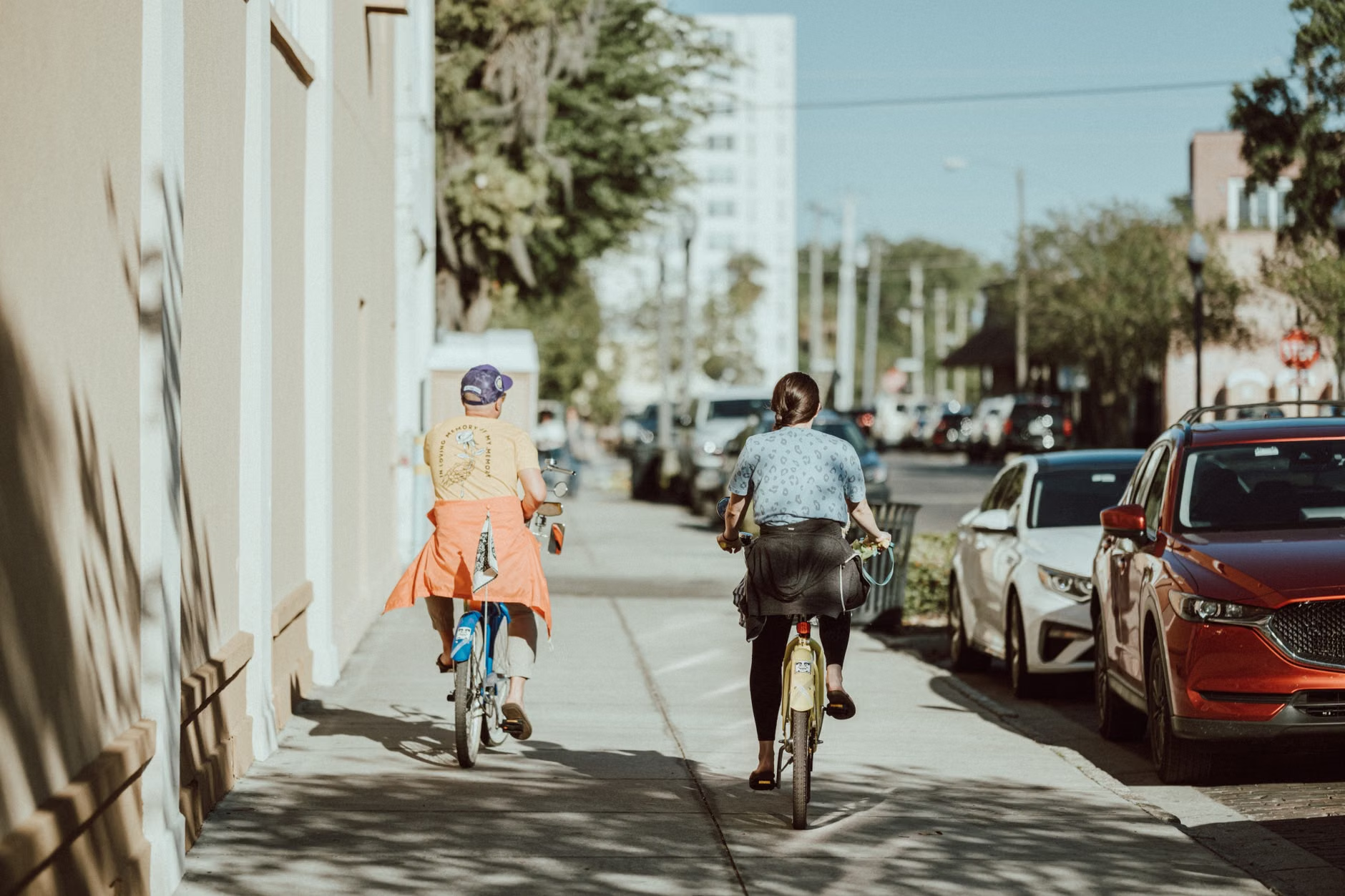
Most people do not quit bike commuting because they stop liking bikes. They quit when the commute becomes too stressful, uncomfortable, or unreliable to repeat.
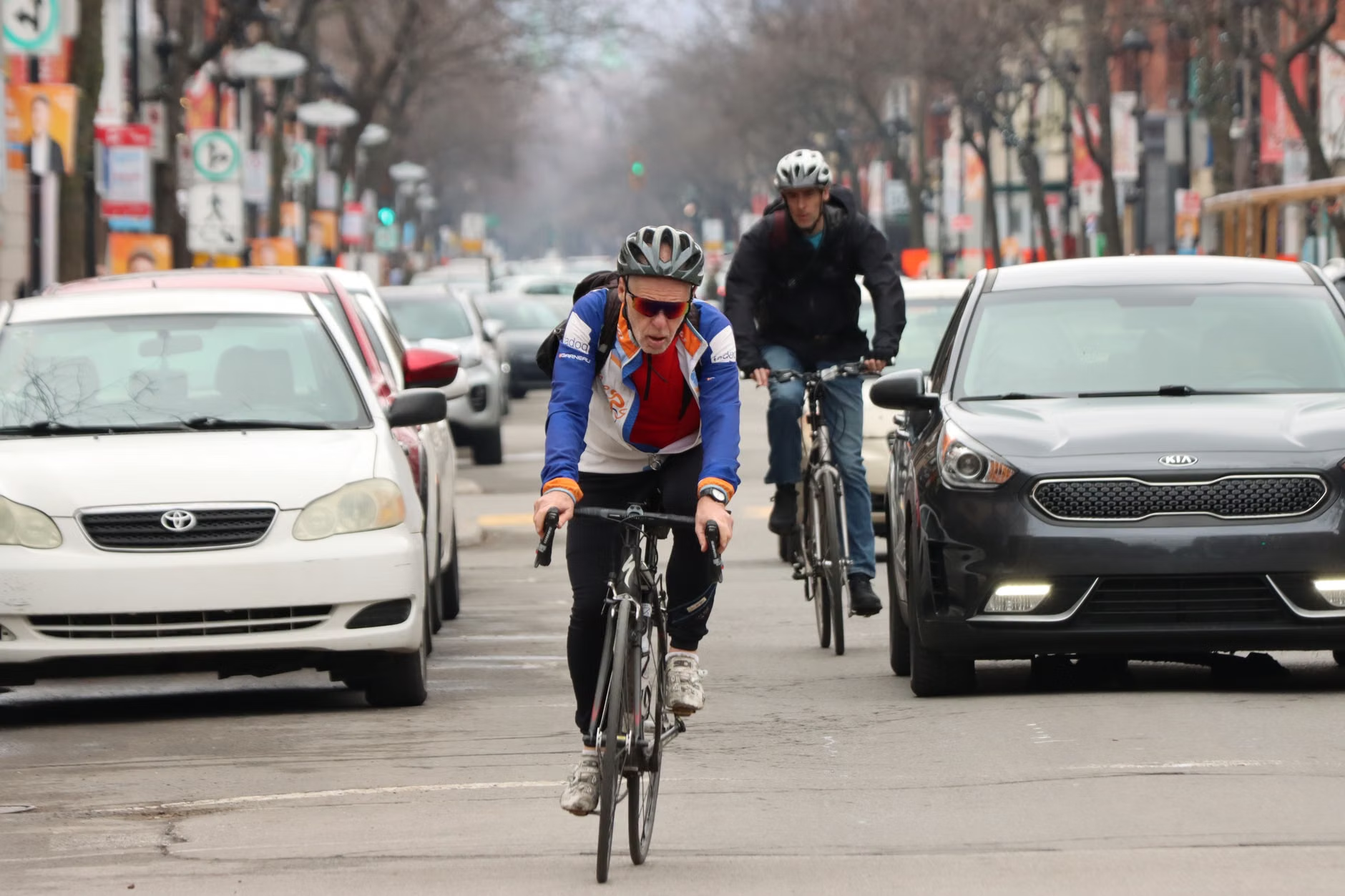
A realistic cost comparison of bike commuting, driving, and public transit, including hidden expenses, tax rules, backup-day costs, and a practical method for pricing your own commute.
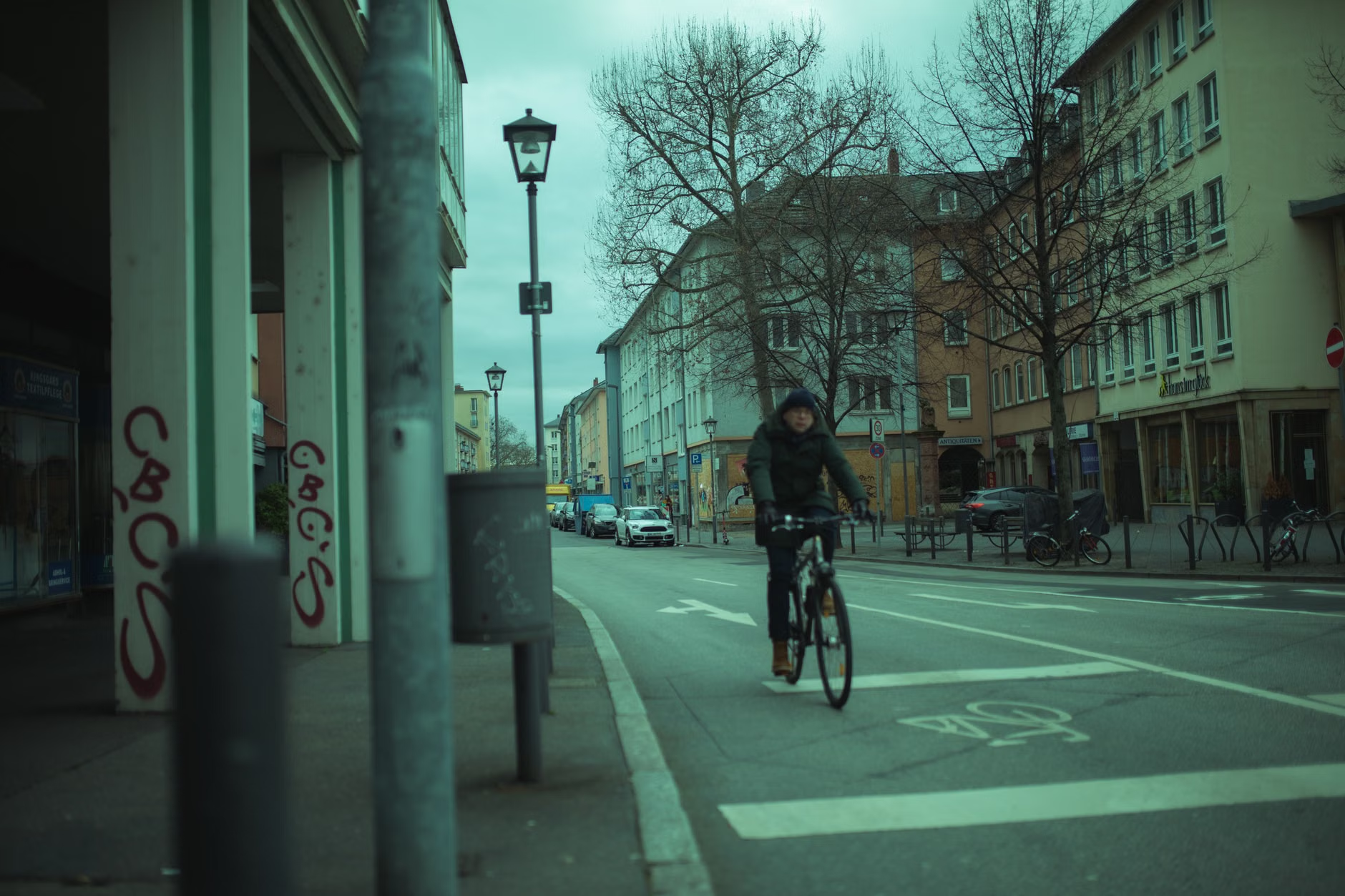
A sustainable bike commute is usually less about fitness than about pace, route choice, and preparation. Here’s how to build a routine that gets you to work consistently without feeling wrung out.
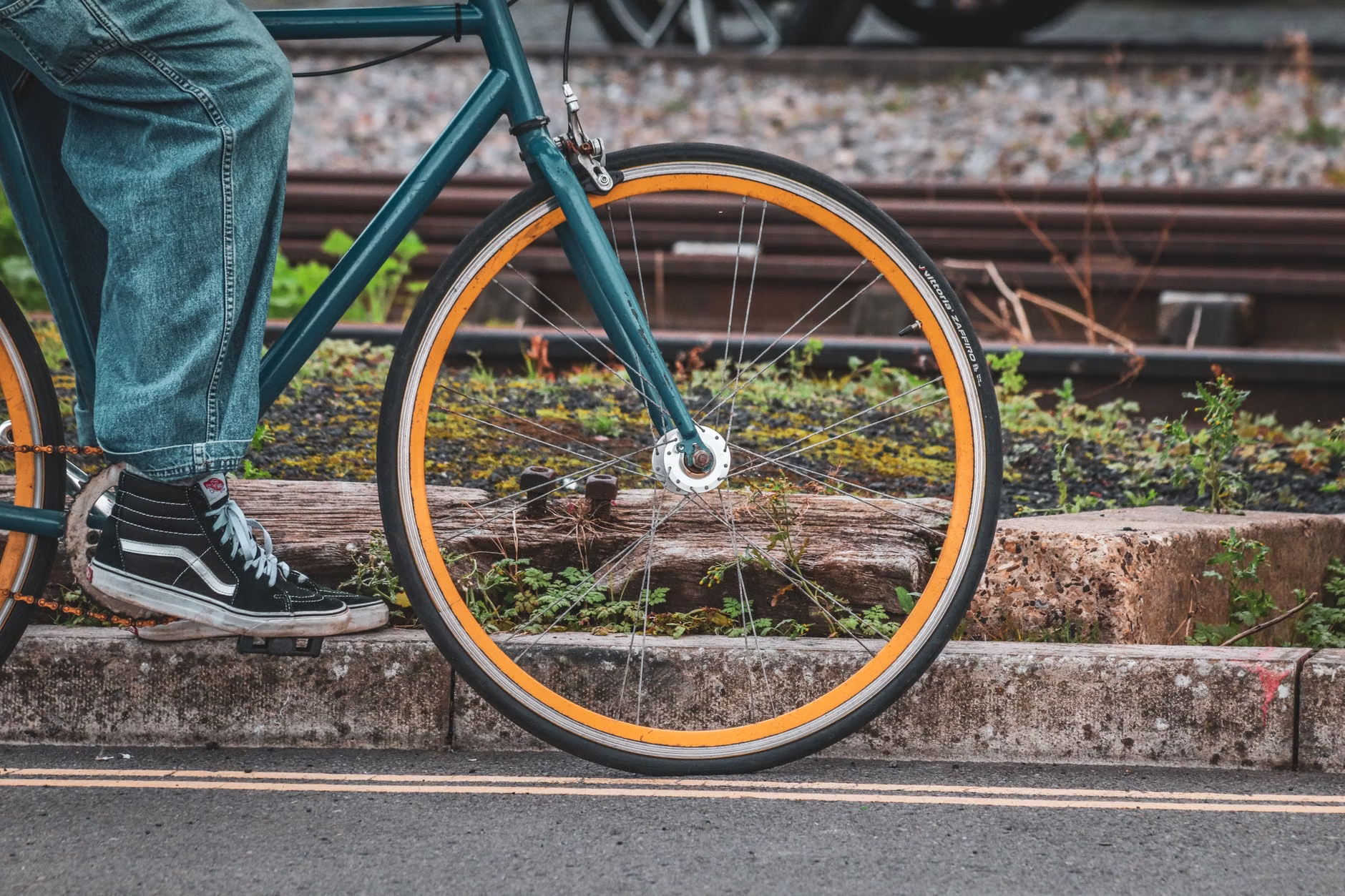
A short, repeatable pre-ride routine can catch soft tires, rubbing brakes, dead lights, low e-bike batteries, and forgotten gear before they derail a bike commute.

A workable office bike commute is less about fitness than systems. This plan shows how to stay presentable, reduce daily packing, and make the savings real.
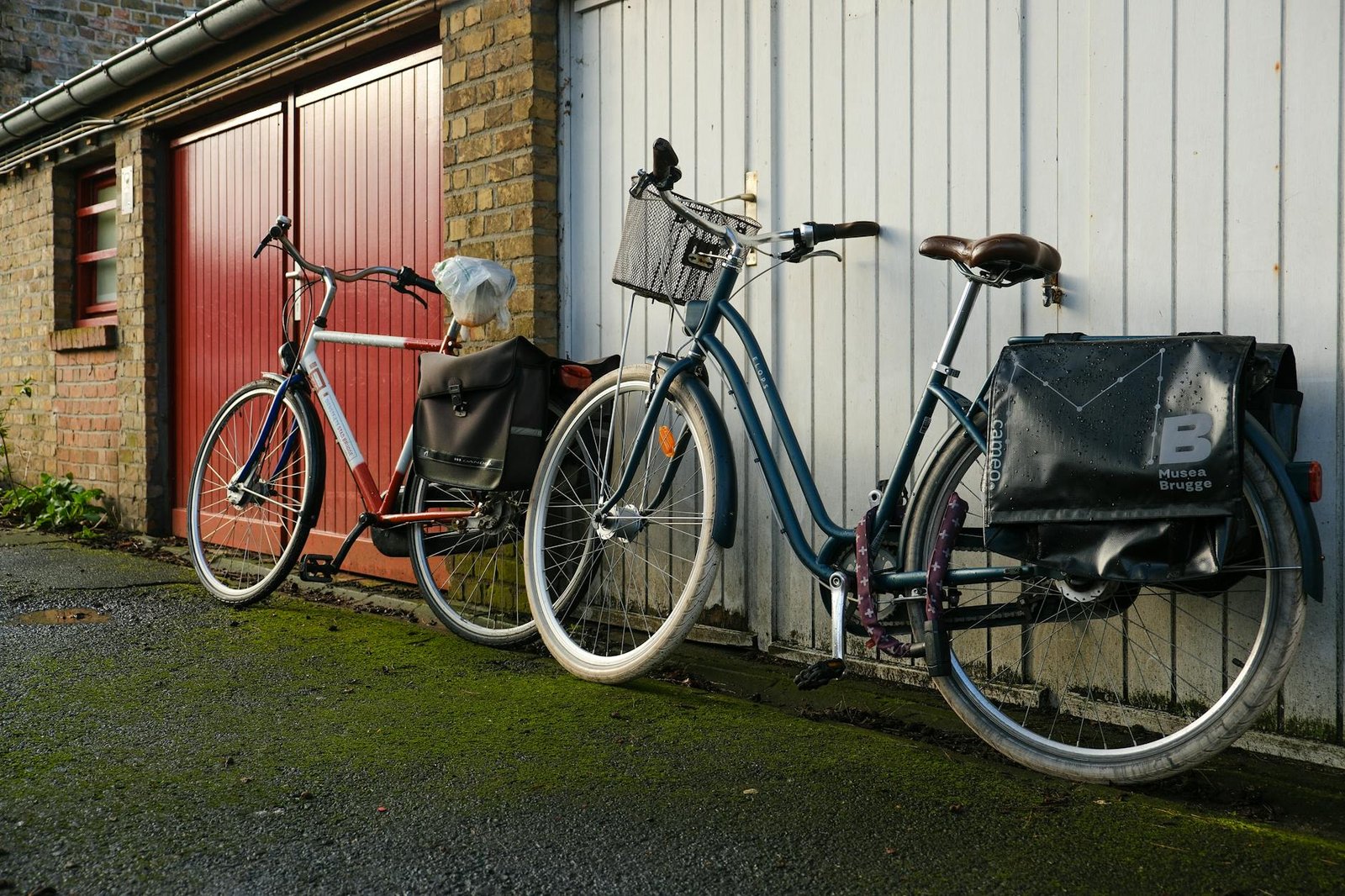
A workable bike commute is not the shortest route or the coolest setup. It is the one you can repeat on a normal workday without gambling on bad streets, bad parking, or wishful thinking.
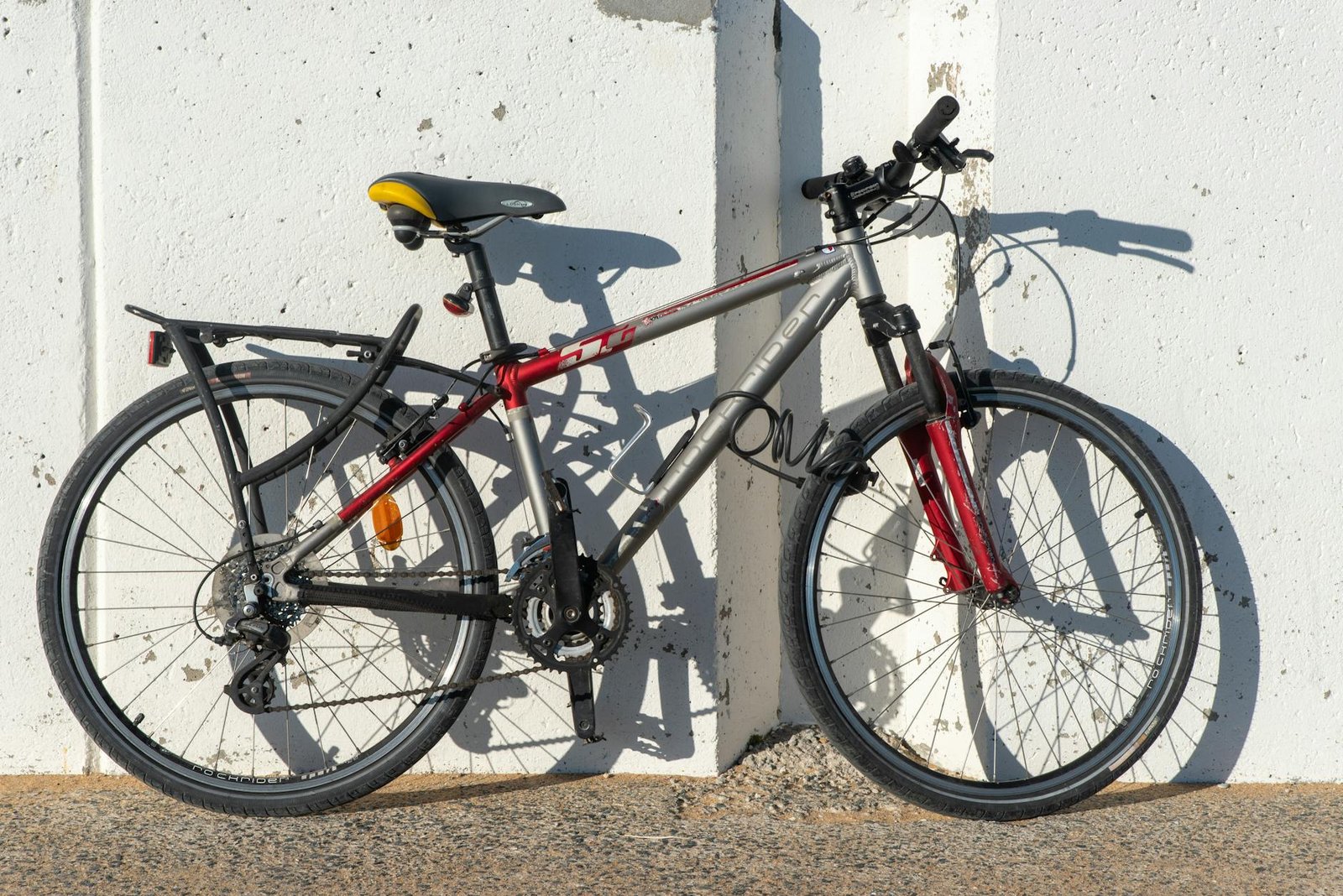
A good commuter bike setup is less about owning an expensive bike and more about fixing the daily problems that make city riding feel risky, messy, or annoying. Here is a practical, budget-aware way to spend on fit, gear
Build a reliable city-bike commuting setup that keeps you clean, carries your daily load securely, and stays quiet and dependable. This guide covers how to choose and fit full-coverage fenders, install a rack that won’t摇
Most beginners don’t quit city cycling because they’re “not disciplined.” They quit because their early rides are high-stress, unpredictable, and feel unsafe—often due to gaps in the low-stress bike network. Here’s how a