
The commute-ending problems that frustrate riders most usually are not dramatic. They are the ordinary failures: a tire that went soft overnight, a brake that started rubbing after the bike was moved, a front light with a dead battery, an e-bike that was never charged, or a forgotten lock that turns arrival into a scavenger hunt. The good news is that most of those problems can be caught before the first block if the routine is short enough to happen every morning.
A useful checklist is really a fast pre-ride inspection
This is not about doing a full tune-up before work. It is about spotting small problems while they are still driveway problems. The League of American Bicyclists teaches the ABC Quick Check as a simple way to confirm that a bike is ready to ride: air, brakes, chain and cranks, quick-release points, then a brief test ride. NHTSA likewise advises riding a bike that works, checking visibility gear, securing what you carry, and planning the route before heading out. (bikeleague.org)
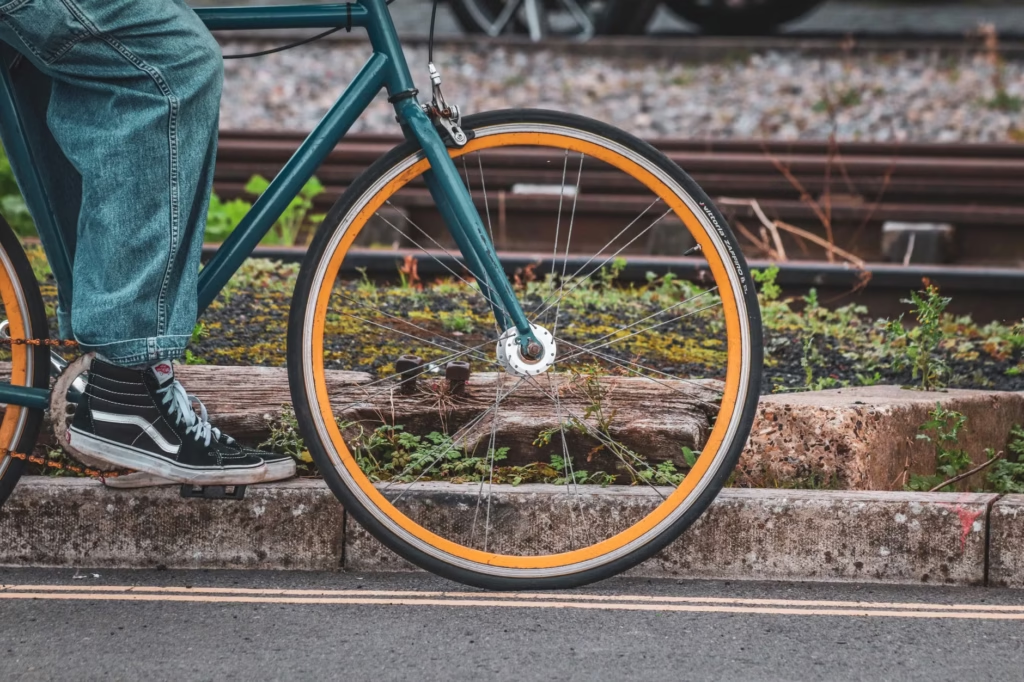
- Squeeze both tires before you leave. If one feels noticeably softer than usual, do not talk yourself into riding on it. Add air at home, where it is easy, instead of discovering the problem during the first fast turn or at the next pothole. The League’s basic bike check starts here for a reason. (bikeleague.org)
- Pull both brake levers while standing next to the bike, then roll the bike a few feet. The levers should feel normal, and the bike should stop cleanly without the lever coming all the way to the bar. If the bike was on a car rack, in a crowded storage room, or had a wheel removed recently, also confirm that the wheel is fully seated and secured. (bikeleague.org)
- Glance at the drivetrain and pedals. A dry, rusty, or dirty chain can turn a normal commute into a noisy one, and a loose crank or pedal is the kind of problem that gets worse with every block. If pants, shoelaces, or a bag strap could reach the chain, fix that now rather than mid-ride. Riders on belt-drive bikes can treat this step as a quick check for looseness, debris, and anything that can snag. (bikeleague.org)
- Turn on the lights before rolling out, especially if the morning starts before full daylight or visibility is poor. NHTSA recommends a white front light and red rear light plus reflectors when riding at night or in poor visibility. If the bike is electric, add one more glance: charge level and battery attachment. A battery that is low or not firmly seated can turn a comfortable commute into an unexpectedly heavy one. (nhtsa.gov)
- Check the items that are easy to forget but hard to replace once you are moving: lock, keys, phone, wallet, work badge, and whatever the destination absolutely requires. Commuters often focus on the bike and forget that the ride is only successful if arrival works too.
- Put on a properly fitted helmet if you ride with one, and make sure it sits low and level rather than tipped back. CPSC guidance says bicycle helmets sold in the U.S. must meet the CPSC standard, and the helmet should fit snugly and sit about two finger widths above the eyebrows. If the route starts in low light, add visible clothing or reflective details rather than assuming drivers will pick you out quickly. (cpsc.gov)
- Take a slow, 20- to 30-second roll before joining traffic. Listen for rubbing, feel for wobble, and do one firm brake test. The League includes this brief ride as the final part of the check, and it is often the step that catches the issue a visual glance misses. (bikeleague.org)
The order matters less than the habit. A rider who checks the same few things in the same sequence every morning is less likely to miss the obvious. Many commuters make the routine even easier by storing the pump, lights, and lock in one place so the checklist does not begin with looking for the checklist items.
Carry the gear that keeps a small problem from becoming a missed arrival
A pre-ride check prevents a lot, but not everything. Glass in the bike lane, a surprise rain shower, or a light that dies faster than expected can still happen. For most commuters, the goal is not to carry a mobile workshop. It is to carry just enough to turn a disruption into a five-minute stop instead of a call for rescue.
- A spare tube that matches the bike’s wheel size and valve type
- Tire levers and a mini pump or inflator you already know how to use
- A compact multi-tool for minor bolt or saddle adjustments
- A backup light, charging cable, or power bank if the route regularly starts in dim conditions
- A backup transportation option, such as a transit card or a saved route for getting home without the bike
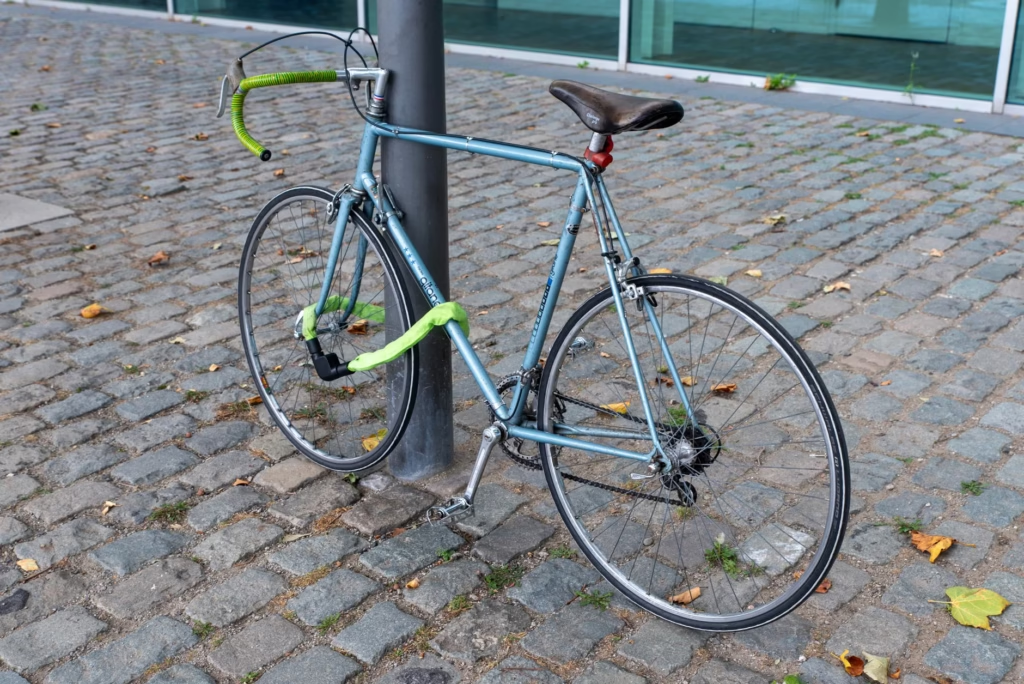
A simple hypothetical example shows the difference. If a rider notices low tire pressure at home, the delay is two minutes with a floor pump. If the same rider ignores it and flats three miles later, the delay can become a roadside repair, a late arrival, and a second problem if there is no pump or tube in the bag. The checklist and the carry kit work together: one reduces the odds of trouble, and the other reduces the cost when trouble still shows up.
Sometimes the checklist should tell you not to ride that bike today
This is the part commuters sometimes skip. A good morning routine is not just a launch sequence; it is also a decision filter. If the brake lever pulls too far, the wheel does not feel secure, the tire has a cut or bulge, or the bike suddenly sounds different in the first few yards, the smart move may be a different bike, public transit, a rideshare, or a work-from-home adjustment if available. NHTSA emphasizes that the bike needs to work before heading out, and that principle matters more than sticking to the plan. (nhtsa.gov)
Stop and switch plans if any of these show up: a brake lever reaching the handlebar, a tire with a visible cut or sidewall bulge, a wheel that is not fully secured, or an e-bike battery that will not power the bike as expected. Those are commute disruptors, but more importantly, they can become safety problems.
The most effective checklist is the one that fits on a sticky note and happens every day. Ninety consistent seconds before the ride will prevent more disrupted commutes than a perfect, complicated routine that only happens on weekends.
References
- League of American Bicyclists – Basic Bike Check – https://bikeleague.org/videos/basic-bike-check/
- National Highway Traffic Safety Administration – Bicycle Safety: Bike Safety Tips for Kids and Adults – https://www.nhtsa.gov/road-safety/bicycle-safety
- League of American Bicyclists – E-Bike Smart – https://learn.bikeleague.org/products/e-bike-smart
- U.S. Consumer Product Safety Commission – Bicycle Helmets Poster – https://www.cpsc.gov/s3fs-public/bicyclehelmet.pdf