
If a 15-minute ride drains you, it’s easy to jump to the wrong conclusion. Many riders assume they need a better bike, more supplements, or tougher legs. Usually, the cheaper explanation comes first: short rides often cram hills, stop-and-go accelerations, traffic, wind, and no real warm-up into one small effort window. That can make a brief ride feel harder than a much longer spin at an easy pace. In some cases, though, exhaustion that feels new, extreme, or out of proportion may also be tied to sleep loss, heat, dehydration, medication effects, asthma, anemia, or another health issue worth checking. (niddk.nih.gov)

Most short-ride exhaustion is an intensity problem disguised as a fitness problem
A lot of riders accidentally turn every short ride into a mini time trial. You roll out hard, hit the first hill cold, sprint away from a light, then try to hold speed because the ride is short and you want it to “count.” But moderate intensity is supposed to be sustainable. NIH guidance uses the talk test: you should be able to say a few words in a row, even if you can’t sing. The American Heart Association also notes that people just starting out should stay near the lower end of their target zone, and some medications change heart-rate response. (niddk.nih.gov)
That’s why a 20-minute commute can feel worse than a relaxed 60-minute weekend ride. The weekend ride usually has a gentler start, steadier effort, and fewer stop-start surges. The commute often doesn’t. If you feel wrecked only on short rides, the first thing to suspect is effort control, not character. That’s an editorial judgment, but it lines up with how intensity is defined in federal exercise guidance. (niddk.nih.gov)
Use the SHORT Ride Score before you spend money or panic
- S – Sleep and stress: Give yourself 0 points if you got 7 or more hours and feel normal, 1 point if sleep was fair, 2 points if you slept poorly, got under 6 hours, or life stress is clearly high. Adults generally need at least 7 hours of sleep. (cdc.gov)
- H – Heat and hydration: 0 points for a cool day and normal hydration, 1 point for warm conditions or mild thirst, 2 points for hot or humid weather, dark urine, headache, or feeling unusually dry. Exercise in heat raises dehydration and heat-illness risk. (cdc.gov)
- O – Output too high too early: 0 points if the first 10 minutes feel easy and you can talk, 1 point if you drift above that, 2 points if you’re gasping, grinding a big gear, or riding near the top of your training zone almost immediately. Use the talk test and heart-rate guidance as guardrails. (niddk.nih.gov)
- R – Recovery and refueling: 0 points if you’re rested and ate normally, 1 point if you trained hard yesterday or skipped a snack you usually need, 2 points if your legs feel heavy, motivation is flat, or you feel shaky or dizzy. Too much exercise and not enough rest can hurt performance, and for people on diabetes medicines, activity can also lower blood glucose. (medlineplus.gov)
- T – Troubling symptoms: 0 points for normal heavy breathing only, 1 point for repeated wheeze, chest tightness, or unusual fatigue, 2 points for chest pain, fainting, severe shortness of breath, or fatigue that spills into normal daily activity. Those symptoms deserve medical attention, and some deserve emergency care. (nhlbi.nih.gov)
Add points to calculate a total consisting of (0 – 3) generally indicates a pacing problem or one-time bad day; (4 -6) suggests your routine requires an adjustment, such as: starting easier, improving sleep, drinking more fluids or having actual recovery; (7 and above or any red flag signs in category “T”) means stop treating this as just another irritation of training and begin looking more closely at what caused it. This score serves as the basis for the article, but should not be used to diagnose any medical conditions.
Example: A rider does a 4-mile commute in 19 minutes. The route starts with a 5% hill, the temperature is 88°F, sleep was 5.5 hours, breakfast was just coffee, and heart rate hits 167 within the first few minutes. Their SHORT Ride Score is Sleep 2, Heat 2, Output 2, Recovery 1, Troubling symptoms 0, for a total of 7. The likely first fix is not a new bike. It’s leaving five minutes earlier, spinning an easier gear up the hill, drinking water before the ride, and refusing to turn the first half-mile into a race.
What usually causes it
1) You are riding too hard too soon
This is the most common explanation, especially for newer riders and commuters. If you can’t talk in short phrases during the first 10 minutes, you’re probably above an easy pace. A short ride doesn’t give you much time to settle in, so the opening effort matters more than people think. An easier gear and a softer start solve a surprising number of “bad fitness” complaints. (niddk.nih.gov)
2) Sleep debt and life stress are showing up on the bike
A ride that feels normal after a good night of sleep can feel awful after two short nights. CDC guidance says adults 18 to 60 generally need at least 7 hours of sleep, and sleep helps the body function normally during the day. If your exhaustion tracks closely with poor sleep, late nights, work stress, or inconsistent routines, respect that pattern instead of arguing with it. (cdc.gov)
3) Heat, humidity, and mild dehydration are amplifying the effort
Hot weather changes the ride even when distance stays the same. CDC notes that people who exercise on hot days are more likely to become dehydrated and develop heat-related illness, and recommends pacing activity, drinking more water than usual, and stopping if you feel faint or weak. If short rides only crush you on hot afternoons, the weather is not a side detail. It may be the main story. (cdc.gov)
4) You are underfueled or not recovered
Sometimes the ride isn’t the problem. Yesterday’s hard workout, a run of stressful days, or riding first thing in the morning with nothing in the tank can all make a short effort feel bigger than it is. MedlinePlus notes that too much exercise can lead to poor performance, heavy limbs, and feeling tired. And for people who use insulin or certain diabetes medications, physical activity can lower blood glucose, with symptoms that can include shakiness, tiredness, dizziness, and a fast heartbeat. (medlineplus.gov)

5) A breathing, blood, medication, or heart issue may be part of it
Recurring wheeze or chest tightness can fit asthma, which NHLBI says is often triggered by exercise or cold air. Tiredness and shortness of breath can fit anemia, and NHLBI notes that evaluation may include a CBC, hemoglobin, iron, and ferritin testing. Fatigue can also be linked to sleep disorders, thyroid disease, infection, depression, or other medical problems, and MedlinePlus notes that certain medicines can contribute. Even common drugs matter here: metoprolol, for example, can cause tiredness and dizziness, and beta blockers also change heart-rate response during exercise. (nhlbi.nih.gov)
The lowest-cost reset to try this week
- For your next three rides, cap the first 10 minutes at talk-test pace. If you can’t speak a short sentence, downshift and back off. (niddk.nih.gov)
- Protect sleep for three nights in a row. Aim for at least 7 hours, not one miracle night after a bad week. (cdc.gov)
- On hot or humid days, drink water before you leave and lower your expectations. Heat is a performance variable, not an excuse. (cdc.gov)
- If you routinely ride early and feel weak or headachy, try a small, familiar pre-ride snack and compare how the ride feels. If you use diabetes medication, follow your clinician’s advice about activity and glucose checks. (niddk.nih.gov)
- Take one genuinely easy day after any hard workout instead of stacking intensity just because the ride is short. Persistent fatigue after 1 to 2 weeks of rest deserves follow-up. (medlineplus.gov)
- Review anything that changed recently: new medication, allergy flare, illness, poor sleep, blood donation, travel, or a big jump in training volume. (medlineplus.gov)
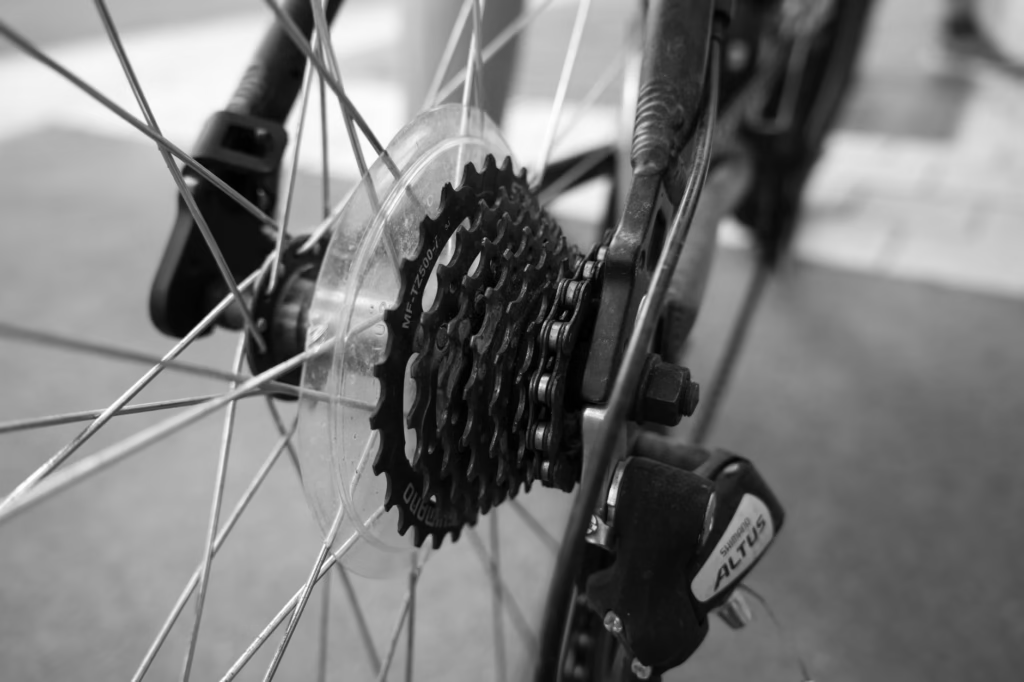
- Do one free bike check before you blame your body: make sure the tires aren’t obviously soft, the wheels spin freely, and the brakes aren’t rubbing.
Decision table: match the pattern before you buy a fix
| What you notice | Most likely culprit | Best first move |
|---|---|---|
| You feel cooked in the first 5 to 10 minutes, then better if you back off | Starting too hard or using too big a gear | Slow the opening pace, spin easier, and use the talk test for the first part of the ride. (niddk.nih.gov) |
| You are fine on cool mornings but drained on hot afternoons | Heat and dehydration | Pre-hydrate, lower pace, and treat hot rides as harder rides even if the route is identical. (cdc.gov) |
| Your legs feel heavy after a hard day or a stressful week | Recovery deficit | Take an easy day, shorten intensity, and see whether the next ride rebounds. (medlineplus.gov) |
| You feel shaky, dizzy, or hollow on early rides | Underfueling, and for some riders low blood glucose | Try a small pre-ride snack; if you use glucose-lowering medication, follow your clinician’s plan for exercise. (niddk.nih.gov) |
| You notice wheeze, chest tightness, or breathlessness beyond the effort | Asthma or another breathing issue | Don’t guess. Document the pattern and book a medical evaluation. (nhlbi.nih.gov) |
| You have chest pain or pressure, fainting, or severe shortness of breath | Possible medical emergency | Stop riding and seek urgent or emergency care. (heart.org) |
Common mistakes that keep riders stuck
- Treating every short ride like it has to be fast to be worthwhile.
- Using average speed as the only measure while ignoring hills, wind, traffic lights, and weather.
- Blaming fitness when the real issue is two bad nights of sleep and a hard workout the day before.
- Assuming a supplement, gadget, or bike upgrade will solve a problem caused by pace control.
- Ignoring symptoms that also show up off the bike, such as unusual fatigue at work, wheezing, paleness, dizziness, or shortness of breath on stairs.
- Trying five fixes at once, then having no idea which one helped.
When the easy fixes are not enough
If you ease the pace, sleep more, drink more, and take recovery seriously for a week or two and you’re still getting flattened by short rides, stop treating it like a motivation issue. MedlinePlus advises that persistent fatigue after rest should be evaluated, and fatigue that lasts for weeks can have many medical causes. (medlineplus.gov)
A clinician might look at the basics first: recent illness, medication changes, sleep quality, mood, asthma symptoms, anemia symptoms, and whether the fatigue happens only during cycling or across daily life. If anemia is on the table, NHLBI notes that testing may include a CBC, hemoglobin, iron levels, and ferritin. If breathing symptoms repeat with exercise, asthma or another airway issue may need review. (nhlbi.nih.gov)
Backup options that are practical also exist when congestion affects commutes. If your commute includes climbing up a steep hill, consider taking another route with less incline; switching to a lower gear; using a combination of walking and riding; or combining public transportation with riding to reach your destination faster. If riding consistently causes you to experience heat stress and you’re using a non-powered vehicle, consider adjusting your start time earlier in the day instead of following a training plan. Perhaps the best option for chronic pain/numbness/muscle fatigue on one side of the body after making minor adjustments to the bike (ex: changing tire pressure, changing brakes) would be to invest in an appropriate tulip or purchasing appropriate parts instead of randomly.
Please refer to above paragraph for additional information regarding backup options available for riding to work, drop in temperature while riding and bike fit issues.
Warning: This article is for general information, not medical advice. If fatigue is new, severe, or paired with chest pain, fainting, wheezing, chest tightness, or unusual shortness of breath, get medical guidance promptly. For medication questions, heart symptoms, anemia concerns, or diabetes-related exercise issues, use a licensed clinician who knows your history. (heart.org)
How to verify whether you are actually fixing the right thing
- Track five rides in a row: sleep hours, weather, route, ride time, and how hard the first 10 minutes felt.
- Add one useful metric: either heart rate or a simple 1-to-10 effort score. Don’t overbuild the system.
- Change one variable at a time. For example: first easier starts, then sleep, then pre-ride snack, then hydration.
- Look for a repeatable result. If easier starts cut your effort from 8 out of 10 to 5 out of 10 on the same route, you found something real.
- Escalate when the pattern doesn’t improve, or when symptoms show up off the bike too. That’s your signal to move from self-testing to medical evaluation. (medlineplus.gov)

Bottom line
Short rides leave people exhausted for ordinary reasons more often than dramatic ones. Usually it’s too much intensity, too little sleep, too much heat, not enough recovery, or some mix of the four. The cost-smart move is to audit those basics first instead of buying a solution. But if your fatigue feels disproportionate, keeps getting worse, or comes with breathing trouble, chest symptoms, dizziness, or symptoms outside cycling, don’t guess. That’s when a medical workup may save you time, money, and unnecessary suffering. (niddk.nih.gov)
FAQ
Why do I feel worse on a 20-minute commute than on a 60-minute weekend ride?
Because the commute is often harder than it looks. Short rides commonly start with no warm-up, more stoplights, quicker accelerations, and pressure to keep speed up. If the first 10 minutes are above talk-test pace, the ride will feel much bigger than the mileage suggests. (niddk.nih.gov)
Can dehydration really matter on a ride under 30 minutes?
Yes, especially in hot or humid weather or if you start already behind on fluids. CDC notes that exercise on hot days increases dehydration and heat-illness risk, and feeling faint or weak is a stop-now warning. (cdc.gov)
Should I worry if my heart rate climbs fast on short hills?
Not always. Short climbs can push effort up quickly. The better question is whether the effort matches the situation and whether you recover normally. Use the talk test and remember that some medicines, including beta blockers, can change heart-rate response and make standard heart-rate targets less useful. (heart.org)
Could low iron or asthma really be the reason?
Yes. Asthma can be triggered by exercise and may show up as wheeze, cough, chest tightness, or shortness of breath. Anemia can cause tiredness, weakness, dizziness, and shortness of breath. If those clues fit, a medical evaluation is reasonable. (nhlbi.nih.gov)
When should I stop riding and seek urgent care?
Stop and get urgent help if exhaustion comes with chest pain or pressure, fainting, or severe shortness of breath. Those symptoms can signal a medical emergency and shouldn’t be written off as poor fitness. (heart.org)
References
- CDC: Adult Activity Basics – https://www.cdc.gov/physical-activity-basics/guidelines/adults.html
- NIDDK: Tips for Starting Physical Activity – https://www.niddk.nih.gov/health-information/weight-management/tips-get-active/tips-starting-physical-activity
- American Heart Association: Target Heart Rates Chart – https://www.heart.org/en/healthy-living/exercise-and-physical-activity/fitness-basics/target-heart-rates
- CDC: Heat and Athletes – https://www.cdc.gov/heat-health/risk-factors/heat-and-athletes.html
- CDC: About Sleep – https://www.cdc.gov/sleep/about/index.html
- NHLBI: Anemia Symptoms – https://www.nhlbi.nih.gov/health/anemia/symptoms
- NHLBI: Iron-Deficiency Anemia – https://www.nhlbi.nih.gov/health-topics/iron-deficiency-anemia?ncid=txtlnkusaolp00000618
- NHLBI: Asthma Symptoms – https://www.nhlbi.nih.gov/health/asthma/symptoms
- MedlinePlus: Fatigue – https://medlineplus.gov/fatigue.html
- MedlinePlus Medical Encyclopedia: Are You Getting Too Much Exercise? – https://medlineplus.gov/ency/patientinstructions/000807.htm
- MedlinePlus Drug Information: Metoprolol – https://medlineplus.gov/druginfo/meds/a682864.html
- NIDDK: Low Blood Glucose (Hypoglycemia) – https://www.niddk.nih.gov/health-information/diabetes/overview/preventing-problems/low-blood-glucose-hypoglycemia