
Weather does not simply make a city ride less comfortable. It changes traction, visibility, braking margin, and route choice. That matters because most bicyclist deaths in the United States occur in urban areas, and NHTSA advises riders to choose routes with less traffic and slower speeds when possible. (cdc.gov)
Rain shrinks your traction and your stopping margin
Rain is usually the biggest day-to-day risk multiplier on busy streets. Painted lane markings, crosswalk bars, metal utility covers, grates, and bridge decks can all get slick when wet. Puddles are not just annoying; they can hide potholes or broken pavement, and wet conditions can also reduce braking performance until the bike clears some of that water. (bikeleague.org)
The city-street version of that problem is what happens next. A small slip that would be manageable on a calm greenway can move the bike sideways toward a travel lane or a turning vehicle. A safer adjustment is to do more of your slowing while upright, turn more gently, cross shiny surfaces as straight as possible, and leave extra room so a sudden stop does not force a panic brake on slick paint. (bikeleague.org)
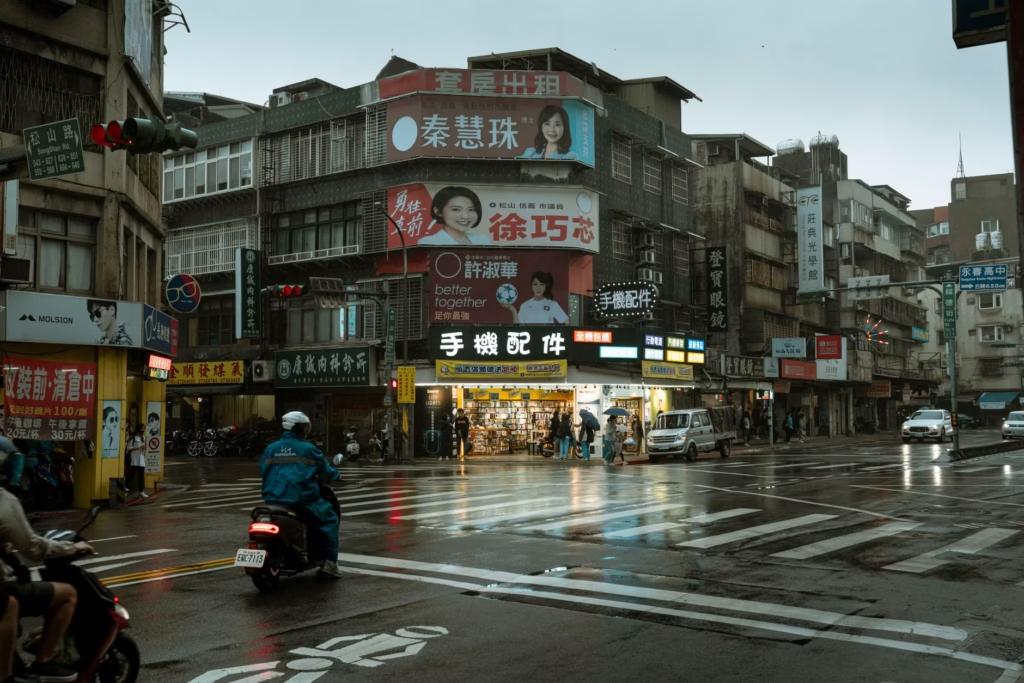
If rain is tapering off and temperatures are hovering near freezing, treat glossy patches near curbs, bridges, and shaded intersections as possible black ice. The National Weather Service notes that black ice can form when wet roads refreeze and can be hard to see. (weather.gov)
For example, imagine a normal two-mile evening commute just after a summer shower. On a dry day, hugging the curb lane past a bus stop might feel efficient. In the wet, that same line can force quick steering around drain puddles and put the bike across painted arrows where cars are turning right. A slightly longer protected lane or quieter side street may be the lower-risk choice precisely because weather has made the direct route less predictable. (bikeleague.org)
In fog, drizzle, and dark afternoons, visibility becomes the main risk
Poor weather also changes what drivers can actually process. NHTSA recommends using a white front light and a red rear light when visibility is poor, not only after dark. The National Weather Service warns that in extremely dense fog, visibility can fall so far that the right move is to pull into a safe place and stop rather than continue. (nhtsa.gov)
On busy streets, being technically visible is not the same as being easy to read. A rider can have reflective details and still disappear against gray pavement, windshield spray, bus glare, or a line of parked cars. In bad visibility, it helps to think about contrast and predictability: brighter front and rear lights, cleaner lane positioning, fewer sudden swerves around puddles, and earlier hand signals so drivers have more time to interpret them. (nhtsa.gov)
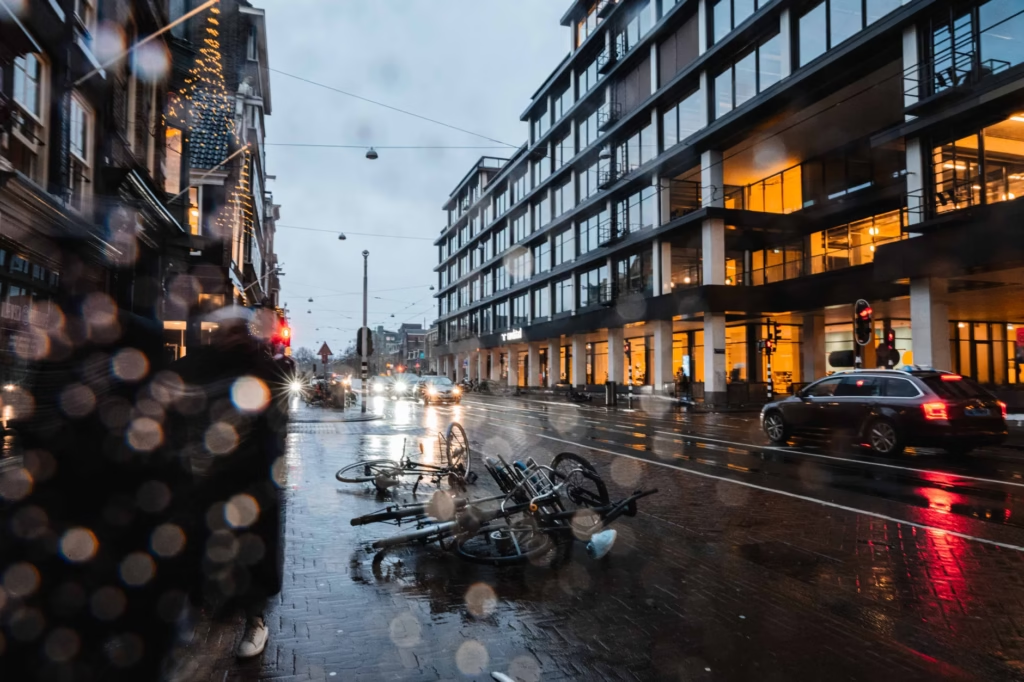
If weather takes away one part of your normal safety margin, add margin somewhere else. NHTSA says the safest route may be away from traffic in a bike lane or on a bike path, and CDC notes that bike lanes are among the roadway measures that can improve bicyclist safety. In practice, that can mean choosing the protected corridor, the slower parallel street, or even a slightly longer route that avoids the worst delivery-van and bus pinch points. (nhtsa.gov)
Use a 30-second check before you merge into traffic
Before a wet or murky ride, do a quick check of three things: grip, sight lines, and escape space. City riding gets riskier fast when even one of those starts to disappear.
- Grip: Has it just started raining? Are there painted turn arrows, steel plates, leaf piles, or standing water in your normal line?
- Sight lines: Can you clearly see across the next intersection? If vehicle windows are fogged or spray is hanging in the air, assume drivers are getting less information than usual.
- Escape space: If a bus passes close or a car turns across your path, is there enough room to hold a straight line without hitting the curb, the door zone, or a puddle?
- Brakes and lights: Test the brakes before the first fast block, and make sure both lights are bright enough to stand out in flat daytime gloom.
- Route and timing: Would waiting 15 minutes, taking the protected route, or using transit for the busiest segment remove the worst condition?
A useful rule is this: if one category looks compromised, slow down and simplify the ride. If two are compromised, change the route. If all three are bad – slippery pavement, short sight lines, and no escape space – treat that as a no-go for a busy street, even if the trip is short. That is especially true when rain is mixing with near-freezing temperatures or when visibility is getting worse instead of better. (weather.gov)
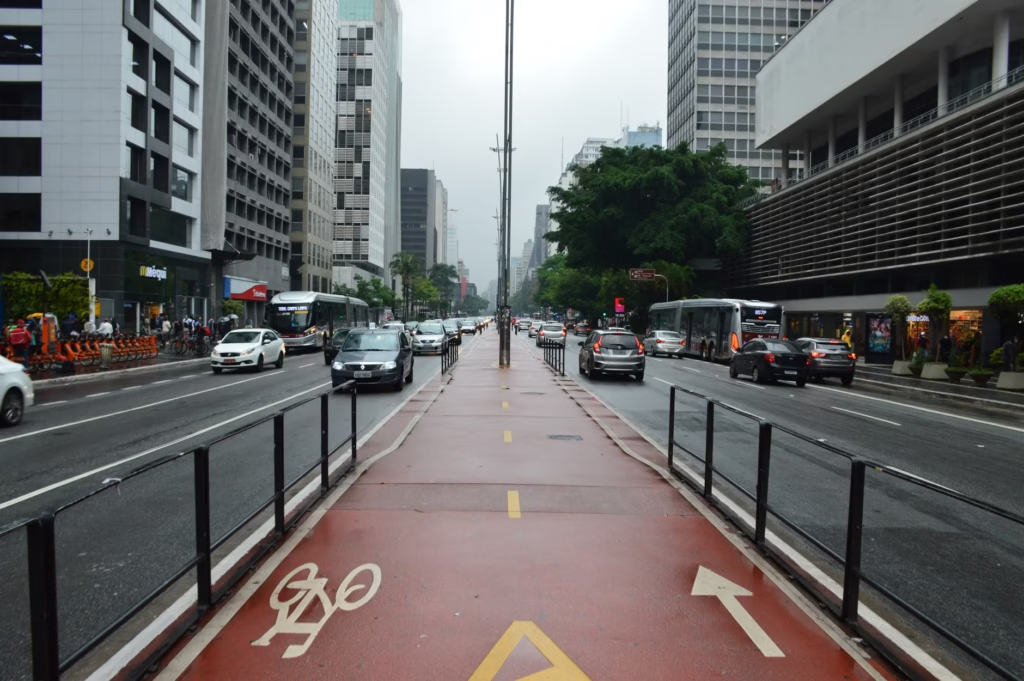
Weather does not just make a ride slower. It can erase the small margins that usually keep a busy-street trip manageable. Notice when grip, sight lines, and escape space are starting to disappear, then adjust the route, timing, or plan before traffic makes the decision harder. (nhtsa.gov)
References
- National Highway Traffic Safety Administration – Bicycle Safety: Bike Safety Tips for Kids and Adults – https://www.nhtsa.gov/road-safety/bicycle-safety
- Centers for Disease Control and Prevention – Bicycle Safety – https://www.cdc.gov/pedestrian-bike-safety/about/bicycle-safety.html
- League of American Bicyclists – Commuting (Rain Riding guidance) – https://bikeleague.org/ridesmart/commuting/
- National Weather Service – Driving in Fog – https://www.weather.gov/safety/fog-driving
- National Weather Service – Ice Storms – https://www.weather.gov/safety/winter-ice-frost