
A commuting bike does not need a dramatic overhaul to be ready for five straight days in the city. It needs to start every morning, stop predictably in traffic, stay visible when the light drops, and carry what you need without rattling loose. The useful prep is mostly about removing obvious failure points before Monday: soft tires, marginal brakes, a dry chain, unsecured wheels, weak lights, and bags that interfere with the bike. (bikeleague.org)
Do one thorough check before Monday
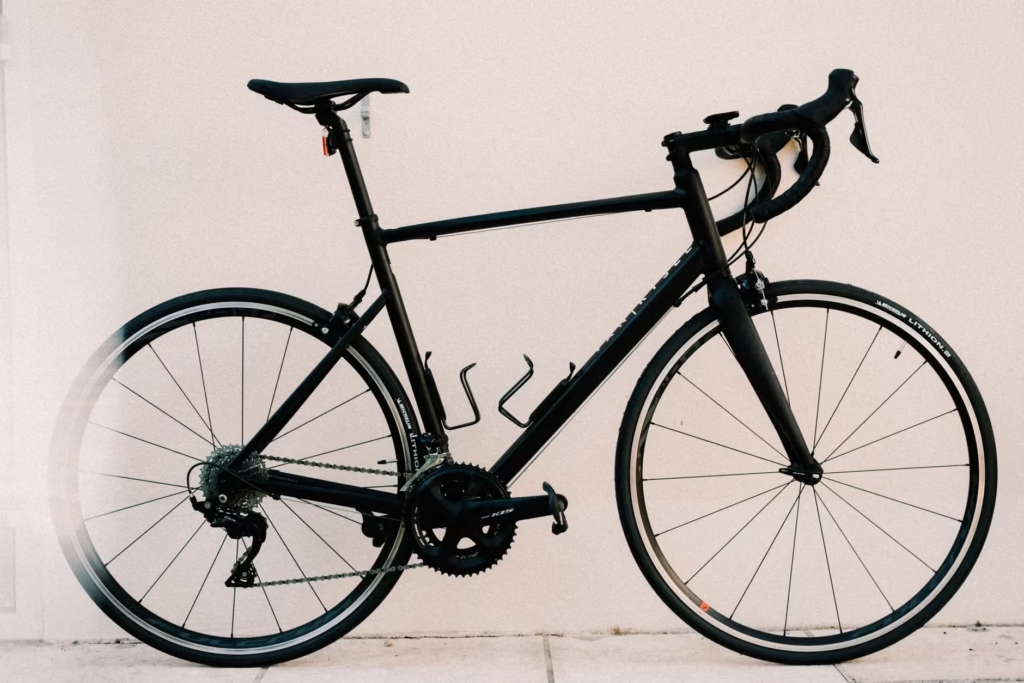
- Inflate both tires to the pressure range printed on the tire sidewall. While pumping, look for obvious cuts, bulges, threads showing, or glass still stuck in the tread. The goal is not perfect workshop detail; it is catching a preventable flat before the week begins. (bikeleague.org)
- Squeeze each brake lever hard, then spin each wheel and brake it. The wheel should stop cleanly, and the lever should not pull all the way to the handlebar. If braking feels vague or pad wear looks heavy, deal with that before the first commute. (bikeleague.org)
- Check the chain and cranks. The chain should move smoothly and not look rusty or packed with grime, and the cranks should not wiggle side to side. If the chain sounds dry, add a small amount of lube and wipe off the excess so it does not turn into a grit paste on dirty streets. (bikeleague.org)
- Confirm wheel retention and the main contact points. Quick releases should be closed, and the saddle, pedals, bars, and anything recently adjusted should feel secure before you load the bike and head into traffic. (bikeleague.org)
- Turn on the front and rear lights and make sure they are bright enough to trust. Recharge them fully, and check that a jacket, pannier, or trunk bag will not block the rear light or reflector. NHTSA advises a white front light, red rear light, and reflectors when riding at night or in poor visibility. (nhtsa.gov)
- Take a two-minute shakedown ride with your usual work bag mounted. Shift through the gears, brake firmly once or twice, and listen for rubbing, skipping, or rattling while it is still easy to fix. (bikeleague.org)
This kind of check is intentionally basic. For a short week of commuting, reliability usually comes from catching small problems early, not from buying more gear. Five rushed mornings of “it was probably fine yesterday” is how minor issues turn into a missed train connection, a walk home with a flat, or a brake problem discovered at the next intersection instead of in the driveway. (bikeleague.org)
Tune the setup for traffic, stoplights, and weather
City commuting puts different demands on a bike than a casual weekend spin. Rough pavement, curb cuts, stop-and-go braking, and locked-bike handling matter as much as pure speed. One useful nuance is tire pressure: running at the absolute maximum printed on the tire is not always the best city setup. A moderate pressure within the recommended range often feels more controlled on broken pavement while still rolling efficiently. That is a comfort and handling judgment, not a universal rule, so adjust after a day or two if the ride feels harsh or sluggish. (bikeleague.org)
If rain is possible, think beyond clothing. Fenders are one of the few commuter add-ons that make a noticeable difference right away because they help keep spray off both the rider and the bike. They are not essential for every dry-weather week, but they are worth fitting before a wet spell rather than after the first grimy ride home. Wet conditions also change braking, especially on rim-brake bikes, because water on the rim makes it harder to stop until the pads clear it. That means more following distance and smoother braking, not last-second grabs at intersections. (bikeleague.org)
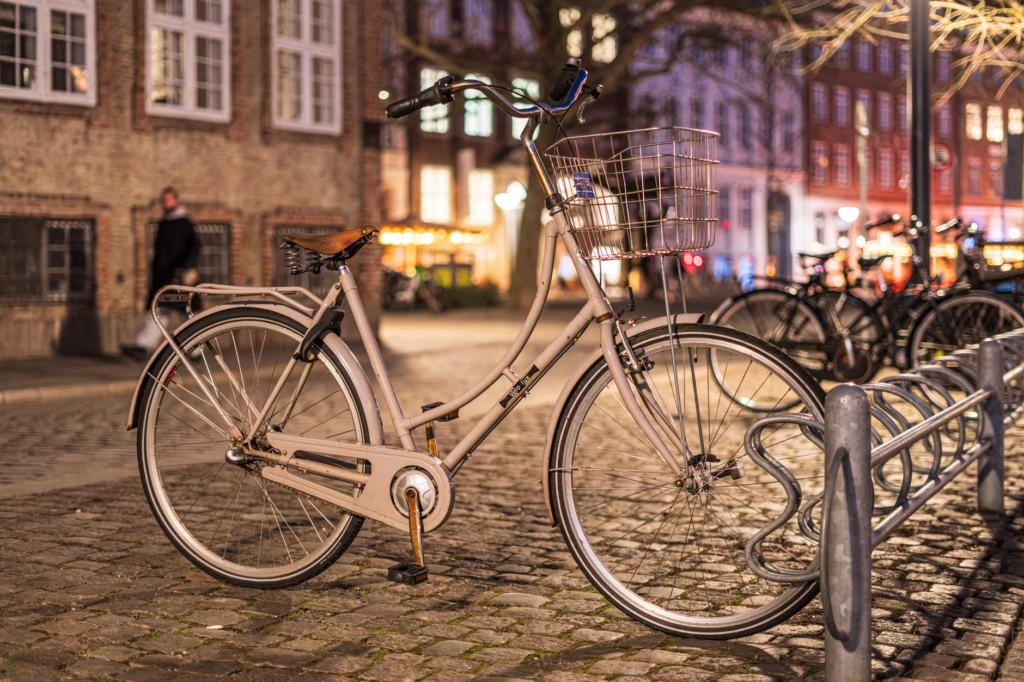
Cargo setup deserves more attention than it usually gets. A rear rack and pannier can make a commute more comfortable than carrying everything on your back, but install and test that setup before the week starts. Loose rack bolts, swaying loads, and bags that cover the rear light are commuter problems, not touring problems. Even if most rides happen in daylight, a rechargeable front light and rear light should be treated as standard equipment rather than emergency extras. NHTSA also recommends bright or reflective gear to improve visibility. (nhtsa.gov)
Carry the failures that actually end commutes
- One spare tube that matches your wheel size and valve type.
- Tire levers and a mini pump. CO2 is fine too, but only if you already know how to use it.
- A small multi-tool for minor adjustments to contact points, racks, or fenders.
- A lock that secures the frame and, ideally, both wheels or other removable parts. (bikeleague.org)
- A tiny backup plan such as cash, a transit card, or enough phone charge to change plans if the problem is bigger than a flat.
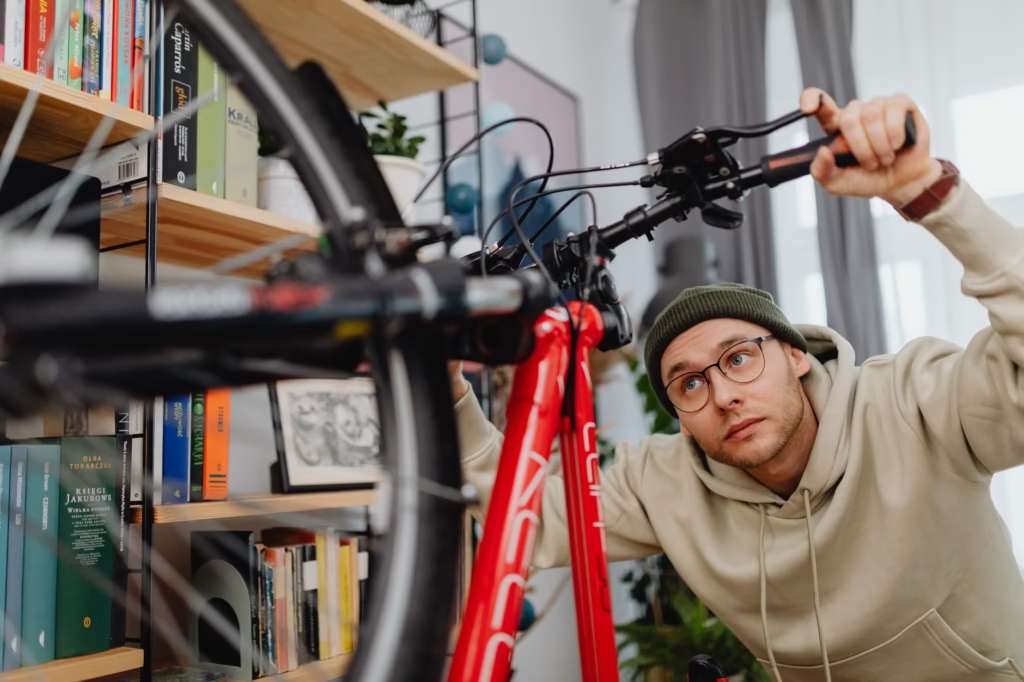
The practical goal is not to turn every ride into a rolling workshop. It is to carry the few items that solve the most common commute-ending problems. If the same route repeats all week, it can also help to leave a few things at work, such as shoes, a charger, or a backup layer, so the bike carries less every day. Less load usually means calmer handling and fewer excuses to skip the ride when the morning is rushed. (bikeleague.org)
Know the difference between prep and repair
That distinction matters because commuting magnifies unfinished maintenance. A short neighborhood spin can hide problems that become much more serious when the bike is loaded, locked outside, ridden home in the rain, or pushed through traffic twice a day. If the bike has been sitting for months, or if you recently changed tires, brakes, or cargo hardware and are not sure everything is settled, a quick shop visit before the week starts is a sensible choice rather than overkill.
Most week-one commuting problems are not dramatic mechanical failures. They are neglected basics. Spend 15 minutes on tires, brakes, chain, lights, and cargo setup before the first ride, and the rest of the week is much more likely to feel routine, which is exactly what a good commuter bike should feel like. (bikeleague.org)
References
- U.S. Consumer Product Safety Commission – Bicycles – https://www.cpsc.gov/FAQ/Bicycles
- National Highway Traffic Safety Administration – Bicycle Safety – https://www.nhtsa.gov/road-safety/bicycle-safety
- League of American Bicyclists – Education Video Series: Basic Bike Check – https://bikeleague.org/education-video-series-basic-bike-check/
- League of American Bicyclists – Commuting – https://bikeleague.org/ridesmart/commuting/