
TL;DR
- Do not pack for every disaster. Pack for the small problems that actually end city rides: poor visibility, a flat, theft during a stop, weather, and a dead phone.
- Use the RIDE Test in this article: Required today, Incident-stopper, Difficult to replace mid-ride, Everyday usefulness. If an item gets at least two yeses, it earns space.
- The lightest setup usually is not about carrying less. It is about storing smarter: helmet on your head, lights on the bike, lock on a frame mount, and repair basics in a saddle bag.
- The daily essentials for most cyclists are their cell phone, payment method, ID, lights, and a lock just for when the bike is stopped. Having a flat kit will be the baseline if you could not get home on foot due to cost (for instance, via taxi), time (walk is long), or danger (you are likely to get hurt if you walk because there were several close calls).
- Mounted essentials can save money twice: they reduce forgotten-item purchases and may keep you from buying a bigger bag you do not actually need.
City rides create a weird packing problem. The route is short enough that carrying a full repair shop feels excessive, but one flat, dead light, or unlocked pharmacy stop can still turn a cheap ride into a cab fare, a late arrival, or a stolen bike. NHTSA says nearly three quarters of bicyclist deaths occur in urban areas, which is a useful reminder that city riding is less about wilderness survival and more about being seen, being predictable, and being prepared for ordinary failures. (nhtsa.gov)
A good city-ride kit is not the longest checklist on the internet. It is the shortest one that still keeps the ride affordable, safe, and on schedule. NHTSA recommends a bike helmet, bright or reflective gear, and a white front light with a red rear light and reflectors at night or in poor visibility. The CDC also says properly fitted bicycle helmets reduce the risk of head and brain injuries. (nhtsa.gov)
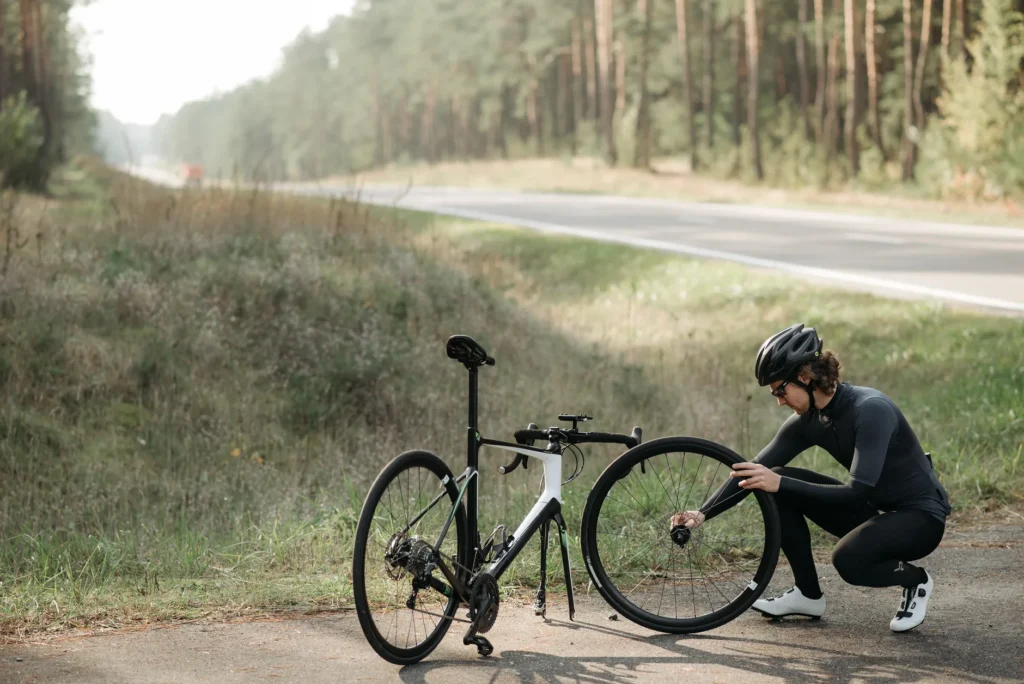
Use the RIDE Test before anything goes in your bag
The RIDE test is my guideline for riding in urban areas. Before you pack anything, you need to consider the following four questions: 1) Is this item required for the current conditions or the type of trip I am taking today? 2) If I don’t have this item, does it mean that my ride will be stopped due to a typical occurrence? 3) If I am using the item out of town, is it difficult or costly to replace it? 4) Will I be using this item at my destination, regardless of whether or not I use it on my ride? If you say “yes” to any two or more of those questions, you should probably find room for the item on your bike. If you can answer “yes” to only one of the four questions, then you may want to attach the item to your bike or stash it at work until you are ready to ride home. If all four of these questions are answered “no,” then it probably belongs in your cargo theatre rather than in your preparations for the ride.
- Required today: lights on a ride that might end near dusk, a lock for errands, extra water in summer heat.
- Incident-stopper: spare tube, levers, air, and a small multi-tool for the loose-bolt or flat-tire problems that strand city riders.
- Difficult to replace: prescription medication, an apartment key, a transit card, or a battery key for an e-bike.
- Everyday usefulness: phone, payment card, ID, work badge, and maybe a foldable tote if you are actually stopping for groceries.
Tip
A simple way to keep your bag light: wear it, mount it, or carry it. Bag space should be the last resort, not the first.
The default city-ride kit
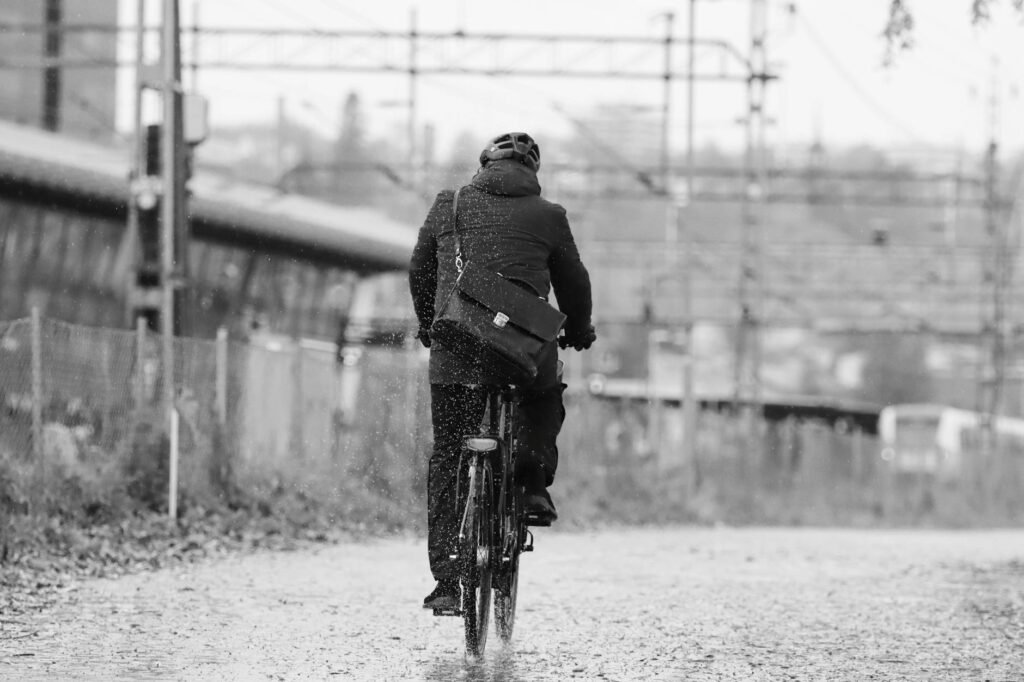
In your base setup for trips from 15 to 60 minutes long in an urban area, there are five needs to address: visibility; identity, such as ID or payment; flat tire assistance; theft protection while parked; and protection from a larger than average amount of weather change. An additional consideration, beyond “What should I take?”, is “Where should I store this?”. Many city riders tend to carry too much (or pack too ‘TIGHT’) as they pack everything in one backpack, rather than leaving some items on their bike permanently.
| Item | Best place for it | Default rule | When you can leave it behind |
|---|---|---|---|
| Helmet | On your head, not in your bag | Yes | Do not skip it just because the ride is short |
| Front and rear lights | Mounted on the bike | Yes if there is any chance of dusk, dark, rain, tunnel riding, or poor visibility; a smart default for commuters | A short daytime ride in clear weather with a firm return time |
| Phone, one payment method, and ID | Pocket, jersey pocket, or tiny zip pouch | Yes | Rarely |
| Spare tube, tire levers, and patch kit | Small saddle bag | Yes if walking home would be a problem or your schedule is tight | A very short loop close to home with easy bailout options |
| Mini pump or CO2 | Frame mount or saddle bag | Bring it whenever you bring a tube | Same conditions as the flat kit |
| Small multi-tool | Saddle bag | Usually yes on your regular commuter or personal bike | Bike-share, rental, or a quick spin on a bike you are not trying to service yourself |
| Lock | Frame mount, pannier, or basket | Yes if the bike will leave your sight even briefly | A no-stop exercise loop |
| Packable shell or warm layer | Bag only when needed | Situational | Stable weather and short rides |
| Water | Bottle cage | Yes on longer or hot rides | A short ride in mild weather if you are hydrated already |
This layout is important because weight distribution will change how someone rides. The lock will be mounted on the outside of a frame bag and flat tires will be stored in a saddlebag; therefore they are on your back, but do not weigh you down while riding. In many cases “I need a bigger commuter bag” really is about finding a way to achieve less duplication and improve storage on the bicycle.
A realistic example with numbers
Suppose Ava rides 4 miles each way to work on an $850 hybrid and sometimes stops at the grocery store on the way home. She is close to buying a larger $165 backpack because her current bag feels overloaded. But the real problem is not volume. It is that she is carrying too many bike-only items on her back: a 3-pound U-lock, a bulky full-size pump, a sweatshirt she almost never needs, and a loose pile of tools she cannot fully use.
Using the RIDE Test, she keeps only destination items in the bag and moves the rest to the bike. In this example, a small saddle bag ($18), mini pump ($25), spare tube ($10), levers and patch kit ($10), mini multi-tool ($22), and rechargeable light set ($30) create a compact on-bike system for about $115 before tax. If she already owns a lock and only adds a mount, her daily backpack drops by several pounds. That one-time setup can be cheaper than a new bag, and it may also lower the odds of a forgotten-light purchase, a ride-share trip home after a flat, or a skipped bike trip that sends her back to transit or parking costs.
The key takeaway from this lesson is that you should only need to purchase once for long term carry systems, and will not need to spend on other bags, duplicate tools, or rides for rescues. When making short trips in an urban environment, owning the largest tool roll does not give you much benefit compared to convenience and consistency.
The 60-second city ride reset
NHTSA says to carry items in a backpack or strapped to the bike, and the League of American Bicyclists says not to ride with a lock hanging from the handlebars. That is a good foundation for a one-minute reset before you leave. (nhtsa.gov)
- Check the stop plan. Will the bike leave your hands? If yes, take the lock. If no, do not haul it just out of habit.
- Check the return conditions. If there is any chance of low light or bad weather, confirm both lights turn on before you roll.
- Quick tire and brake check. A five-second squeeze and spin is cheaper than discovering trouble halfway to work.
- Confirm the pocket essentials: phone, payment, ID, keys, and any medication you would hate to be without.
- Ask one blunt question: If I flat right now, can I still get where I need to go on time? If the answer is no, bring the tube, levers, and air.
- Add only trip-specific extras: shell, gloves, tote, charger, snack, or work clothes. If you cannot name the use for that ride, leave it.
- Empty yesterday’s junk before you leave. Receipts, spare cables, and random tools are how an everyday bag slowly turns into dead weight.
Common mistakes that make a simple ride more expensive
Two gear mistakes cost riders more than they think: carrying backup items you never use, and buying safety gear you cannot verify. CPSC says bicycle helmets sold in the United States are covered by federal requirements in 16 CFR Part 1203 and that each bicycle helmet must carry a label certifying compliance. NHTSA also tells riders to look for that CPSC label and prioritize fit. (cpsc.gov)
- Packing a workshop instead of a city kit. Most city riders need flat-tire basics, not a full set of wrenches and bottles of lube.
- Treating lights as optional because the ride starts in daylight. Commutes run late, storms darken streets, and city visibility changes fast.
- Buying the cheapest helmet listing you can find without checking the CPSC compliance label, fit, and whether it is actually a bike helmet.
- Using a thin cable by itself for theft protection. If you are parking in the city, think in terms of a real lock, not wishful thinking.
- Carrying weather gear every day instead of using the forecast. A packable shell is useful; a permanent spare outfit is usually just ballast.
- Forgetting the bailout plan. A little cash, a card, transit access, or a charged phone can matter more than one extra tool.
When the minimalist kit is not enough
Minimalism has limits. A spare tube will not fix a sliced sidewall, a broken chain, a bent wheel, or a major e-bike electrical problem. The League of American Bicyclists recommends bringing tools you know how to use, which is a smart rule against stuffing advanced gear into your bag just to feel prepared. (bikeleague.org)
- If a major mechanical issue would leave you stranded, keep a backup way home: transit fare, ride-share access, or one person you can call.
- If your city rides regularly include errands, stop forcing grocery volume into a daily backpack. A pannier, basket, or foldable tote is the cleaner answer.
- If you commute to the same office, cache a few low-cost items there instead of carrying them twice a day: deodorant, a spare shirt, phone charger, or basic toiletries.
- When riding an electric bicycle (ebike), you should add only the items that you will specifically need for your trip, such as keys to the battery and chargers for longer rides. If you have chargers with you for every short bike ride, you are likely carrying too much weight unnecessarily.
- If you switch among multiple bikes, duplicate a few cheap essentials. The forgetting tax from moving one mini pump or light set around can be more annoying than the cost of a second one.
How to pressure-test your setup before you trust it
Before you declare your bag solved, audit the system. NHTSA says to carry items in a backpack or strapped to the bike, and the League notes that lights should be checked as they dim and that cargo should not block lights or reflectors. (nhtsa.gov)
- Weigh or at least hold your normal bag before and after moving bike-only items to the bike. The difference is usually obvious.
- Do one practice flat repair at home. If you cannot use the gear calmly in your living room or driveway, it does not count as a real solution yet.
- Do one dusk test ride and stand behind the bike after loading it. Make sure your bag, rack, or grocery tote is not blocking the rear light.
- Try your lock at the places you actually stop. A great lock that does not fit local racks well is still an inconvenient lock.
- Set a weekly charge routine for lights and your phone. A Sunday-night habit is better than hoping the battery fairy shows up.
- After a month, empty the bag and look for anything you never used. If it has not solved a real problem, demote it.
Bottom line
When bicycling in a city, you don’t need to carry an adventure bike packing system. You likely have a simple system that includes: a helmet, lights/reflectors attached to your bike, some sort of payment method (like your phone) in hand at all times, a lock to use when leaving your bike unattended, and basic flat repair tools to fix any problems if you have to walk home. To determine if you should be carrying anything else, use the RIDE Test. When it comes to packing the lightest possible item every time and making the easiest payment system to use tomorrow, the least expensive ounce is the ounce you never carry along and the smartest dollar is the dollar you spent not making all your packing/being able to repeat everything you pack tomorrow.
Note
This article is general information, not legal or product-certification advice. State and city equipment rules can differ, and manufacturers’ instructions still matter. Check local rules and follow product guidance before riding.
Do I really need a flat kit on a short city ride?
Not all of the time! You can go without the kit if the area is local, you can walk comfortably, and you have a flexible schedule. However, if a flat would cause you to get to work late, will keep you out too late at night, or will require an expensive ride home, put the kit on your bike and quit debating with yourself each morning about having a kit.
Should a lock count as an every-ride item?
Only if the bike will leave your sight. For errands, school, work, and apartment stops, yes. For a pure no-stop exercise loop, no. If you do carry one, mount it to the frame or put it in a pannier instead of hanging it from the bars. (bikeleague.org)
Is a backpack bad for city riding?
A backpack can work well for small amounts of weight for your everyday activities. As soon as you begin to utilize it for heavier items related to biking, and those heavier items could have been safely placed on your bike, that’s where you run into issues. When you are transporting your laptop, lunch, and a lock regularly, typically there is a better solution using your bike than using your back pack.
What changes for an e-bike?
Bring along power system related items like a battery key, and possibly charger depending on trip length; however, do not assume you will always need to carry a charger when riding an e-bike – let the range, battery health and length of your trip decide.
What is the smartest place to store essentials so I stop forgetting them?
Create a permanent location for each item. The bike light remains mounted to the bike. The saddle bag contains the tools for basic repairs. The lock remains mounted to the bike. Every time you ride you have a pocket item in a specific zippered pocket or pouch. Consistency helps to eliminate excessive packing and forgetting things.
References
- NHTSA: Bicycle Safety – https://www.nhtsa.gov/road-safety/bicycle-safety
- CDC: Bicycle Safety – https://www.cdc.gov/pedestrian-bike-safety/about/bicycle-safety.html
- CPSC: Bicycle Helmets Business Guidance – https://www.cpsc.gov/Business–Manufacturing/Business-Education/Business-Guidance/Bicycle-Helmets
- NHTSA: Bicycle Safety – Choosing a Helmet – https://www.nhtsa.gov/document/bike-safety-choosing-bicycle-helmet
- League of American Bicyclists: Commuting – https://bikeleague.org/ridesmart/commuting/