
The expensive mistake in city-bike shopping is not buying too little bike or too much bike. It is buying the wrong bike for a trip you repeat four or five times a week. A fast-looking bike can feel miserable on patched pavement. A comfortable commuter can become a daily nuisance if you have to wedge it through a narrow apartment door or carry it up two flights of stairs. And the cheapest bike is not especially cheap once you add a real lock, lights, cargo options, and the first repair bill caused by a poor match between bike and route. The practical goal is simpler: buy the bike you will actually ride, store, and maintain. The League of American Bicyclists notes that almost any bike can work for commuting, but route conditions, terrain, cargo, and parking all matter. That is where smart shopping starts. (bikeleague.org)
TL;DR
- Start with the parts of your commute that do not negotiate: distance, hills, pavement, traffic stress, cargo, stairs, and theft exposure. (bikeleague.org)
- Use the Curb-to-Closet Filter in this guide before you compare brands. It helps you avoid paying for features that do not solve your actual problem.
- Fit matters more than frame decals. You want reasonable standover room, easy brake reach, and a slight bend in the leg at the bottom of the pedal stroke. (nhtsa.gov)
- Budget for the bike you will own, not just the bike you will buy. A lock, lights, rack, fenders, and setup can change the real first-year cost.
- If an e-bike is on your shortlist, solve storage, charging, and local rule questions before you upgrade. State and local e-bike rules vary, and CPSC says to use approved batteries and chargers and follow the manufacturer’s charging directions. (peopleforbikes.org)
Start with the parts of your commute that do not negotiate
Before you compare bike categories, write down the realities of your trip. How many miles each way? Flat or hilly? Smooth bike lanes or cracked streets with utility patches and storm drains? Do you carry only a rain shell, or a laptop and lunch every day? Do you need to bring the bike into a building, onto transit, or up stairs? The League specifically recommends thinking about distance, traffic volume, road width and condition, terrain, parking, and cargo when planning a commute. That list is more useful than any marketing label because it forces you to shop for the ride you have, not the bike you admire online. Test route changes on a low-pressure day if you can, because one rough block or one bad stairwell can change the right answer. (bikeleague.org)
Use the Curb-to-Closet Filter
Here is the decision tool to use before spending a dollar: the Curb-to-Closet Filter. Score each category from 0 to 2. Low numbers point toward a simpler, lighter, less expensive commuter. High numbers point toward more comfort, cargo support, or motor help. One rule overrides the total: the Storage Veto Rule. If the bike is too awkward to store, carry, or lock in the way your day actually works, it is the wrong bike even if every other spec looks perfect. That storage-first mindset lines up with real commuter needs around parking and office access. (bikeleague.org)

| Factor | 0 points | 1 point | 2 points | What it pushes you toward |
|---|---|---|---|---|
| Commute demand | Under 3 miles each way, mostly flat | 3 to 7 miles or moderate hills | Longer commute, steep hills, or strong sweat concern | More distance or hills makes gearing, posture, and possibly motor assist more valuable |
| Street surface | Mostly smooth pavement | Some patched pavement, tracks, or rough shoulders | Frequent potholes, broken pavement, or construction detours | Rough streets favor stable handling and moderately wider tires |
| Stops and carry moments | Few lights, no stairs, easy parking | Regular stop-and-go or one set of stairs | Frequent stops, transit connections, or daily carry-up | More stops and lifting push you toward comfort and lower weight |
| Cargo load | Phone, lock, light layer | Laptop, lunch, small errands | Groceries, work tools, child gear, or bulky loads | More cargo favors rack mounts, step-through access, or cargo solutions |
| Storage exposure | Secure indoor home and work storage | Shared room, outdoor daytime rack, or tight apartment entry | Outdoor overnight storage or narrow, awkward indoor access | Poor storage can outweigh every other buying factor |
Bikes that are rated 0 – 3 are suited for a standard flat bar hybrid or a simple city bicycle w/ no accessories. Bikes rated 4 – 6 would typically include a commuter bike that has rack and fender mounts along with a comfortable riding position and tires made for imperfect pavement. Bikes rated 7 – 8 would typically indicate a lighter step-thru, folding or comfort oriented commuter bicycle since the issues of delay and stop-and-go riding are becoming more significant. E-bikes or bicycles intended for carrying large amounts of goods may also be appropriate for bikes rated 9 – 10, but only when the storage and charging difficulties at home have been addressed as these types of bikes tend to cost more than similar models that do not use a motor or cargo device to assist the rider. The intent of the filter is not to provide excellent objectivity in determining the appropriate bicycle to purchase for any given use but rather, to triage your situation so that you don’t spend too much on a faster bicycle when what you need is a bicycle that is easier for you when there are obstacles such as stairs, or to purchase the lightest bicycle in the store while what you may actually need is a bicycle that is designed for going up hills or able to carry large amounts of cargo.
Match the bike style to the street you actually ride
| Bike style | Strong fit for | Usually a mistake when | Storage reality |
|---|---|---|---|
| Flat-bar hybrid | Short to medium commutes, mixed errands, simple maintenance | You face big hills, carry lots of cargo, or want daily stair carries with a heavy frame | Moderate footprint and usually easy to service |
| Step-through city commuter | Frequent stops, office clothes, easy mounting and dismounting, everyday utility riding | You want a very aggressive weekend fitness position or an ultra-light carry bike | Good for day-to-day use, but still full-size |
| All-road or drop-bar commuter | Longer cleaner routes, faster riding, one-bike-for-commute-and-weekend use | Your route is mostly stop-and-go city riding and upright visibility matters more than speed | Full-size and not especially apartment-friendly |
| Folding bike | Tight apartment storage, mixed transit, office carry-in, no secure outdoor parking | You regularly hit rough pavement, high-speed descents, or large cargo needs | Best storage option by far |
| Class 1 e-bike | Hills, headwinds, sweat-sensitive arrivals, heavier riders, regular cargo | You still have not solved safe storage, charging, or daily carry-up weight | Usually the hardest option to haul indoors because of weight |
| Light cargo or longtail | Groceries, daycare runs, larger loads, replacing some car trips | You live in a small walk-up or lack secure parking | Storage is the hardest part, so solve that first |
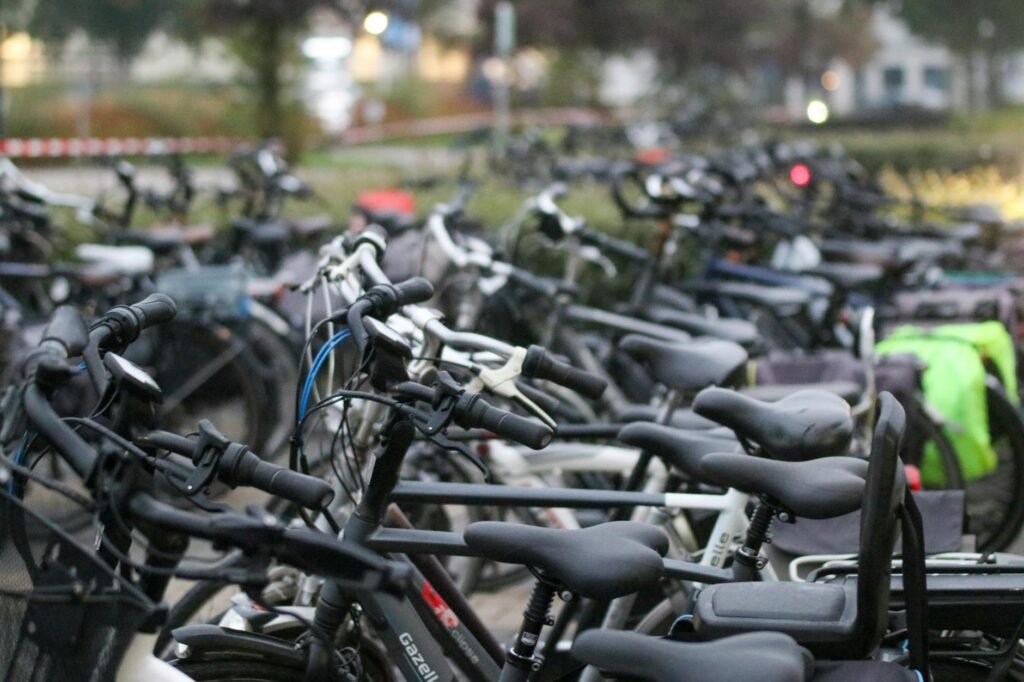
In practical buying terms, boring features usually matter more than sexy ones. On rough city pavement, many riders should start with stable handling, a reasonably upright position, space for practical tires, and mounts for fenders and a rack before they chase speed. If your route changes block by block because of potholes, resurfacing, or construction, comfort and flat resistance are not luxuries. They are commute insurance. NYC DOT’s infrastructure and construction guidance is a useful reminder that urban riding conditions can change fast, and the League tells riders to weigh road condition and terrain when choosing a commute. (nyc.gov)
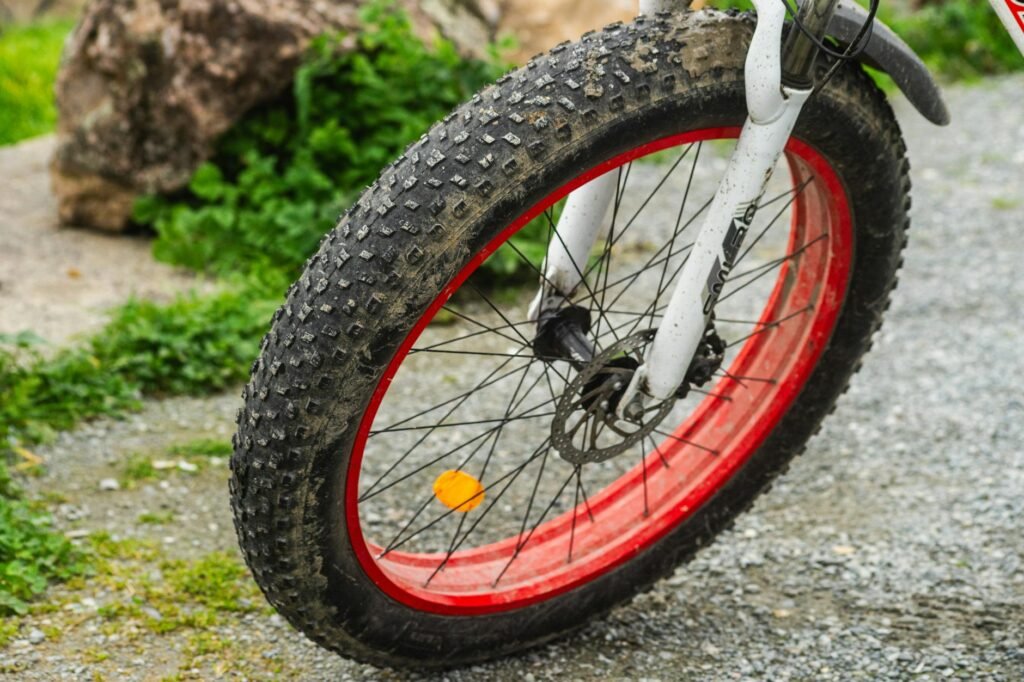
Fit matters more than the badge on the frame
A commuter bike that fits badly will feel heavy, twitchy, and exhausting even if it is technically the right category. NHTSA’s basic fit cues are refreshingly practical: when you straddle the bike, you should have about 1 to 2 inches of space over the top tube on a typical bike, your arms should keep a soft bend instead of forcing you to stretch, your hands should reach the brakes comfortably, and your leg should keep a slight bend at the bottom of the pedal stroke. Those are better shopping signals than online claims about comfort geometry. If a shop can help you compare two sizes, that is money well spent. (nhtsa.gov)
- Straddle the bike in the shoes you normally ride in. You want clear standover room, not a close call. (nhtsa.gov)
- Sit and pedal long enough to check knee extension. A slight bend at the bottom of the stroke is the target, not a locked leg. (nhtsa.gov)
- Cover the brakes from your usual hand position. If you have to stretch or choke up to use them, move on. (nhtsa.gov)
- Ride one rough block seated and one short hill or bridge ramp. Store-floor comfort does not tell you much about city comfort.
- Look over your shoulder while riding slowly. If the position makes traffic checks awkward, the bike may be too long, too low, or too aggressive for your commute.
- If possible, test the bike with your real work bag or the same weight in a pannier or basket. Cargo changes handling more than many buyers expect.
Budget the bike you will own, not just the bike you will buy
A city bike is an entire system that you have to buy. The bike alone isn’t the only part of your choice to get the bike you need as a commuter, because you’ll also need a real lock, lights, bag carrying options, and more often than not, some type of fenders. Many buyers will also have to pay for some type of pedals, tune up after the first few weeks of riding, or even tires that are better for riding on rough surfaces. That is why the least expensive sticker price could be very misleading. If Bike A costs less, but required three add on accessories to make it a “complete bike” and then still does not address issues of where to store the bike, and/or comfort, then it is not actually going to be the least expensive choice.

Consider a realistic example. Lena rides 4 miles each way, mostly flat, but on patched streets with frequent stops. She carries a laptop and lunch and lives in a second-floor apartment with one tight turn in the stairwell. Her total budget is $1,600. Option 1 is a $650 big-box hybrid. Add a basic shop setup for $85, lights for $70, a solid U-lock for $120, fenders for $70, and a rear rack plus bag for $150, and the first-year total is about $1,145. It is still heavy, still not especially pleasant to carry upstairs, and still a compromise on fit. Option 2 is a $1,050 commuter bike from a local shop with useful mounts, better tires, and a more upright position. Add the same lock and lights plus $140 in accessories, and the first-year total is about $1,380. That second option is not the cheapest purchase. It is the cleaner financial fit because it solves the actual trip without forcing an upgrade six months later.
Alter another factor. If Lena needs to carry a bicycle upstairs several times each week, then using a folding bicycle or lighter commuter may prove more beneficial than both options if ride quality suffers. Conversely, if she travels an uphill commute without having the opportunity to shower and be dressed properly for work after traveling at a slow pace or in heavy clothes, a Class 1 e-bike could save her money relative to the cost of her commute. The takeaway from all of this is not that one bike has a lower price point compared to another bike, but rather that the most affordable option becomes less expensive because your ability to ride it has increased due to the removal of obstacles.
Common mistakes that cost buyers money
- Buying by category name instead of route needs. A city bike, fitness bike, hybrid, or gravel bike can all work if the commute matches the build.
- Underestimating storage. Measure the doorway, hallway turn, elevator, and bike corner before you shop.
- Ignoring first-year extras. Lock, lights, rack, fenders, pedals, and setup can change the total cost quickly.
- Choosing an aggressive posture for a short, stop-heavy commute where visibility and comfort matter more than speed.
- Buying too much motor when the real problem is carry weight or poor storage.
- Assuming your employer has secure parking or that an outdoor rack will feel safe for your bike all day.
- Skipping a real test ride in normal clothes with normal cargo and then wondering why the bike feels wrong after purchase.
When your first-choice bike is not enough
Some commutes fail at the storage stage, not the riding stage. If you do not have secure home storage, be careful about buying a beautiful, expensive full-size commuter just because it rides well in the shop. A folding bike, a simpler used bike, or a bike-share and transit mix may be the smarter answer. Likewise, if your office only offers an outdoor rack in a theft-prone area, it can make more sense to ride a lower-profile commuter than the nicest bike you can afford. In some cities, secure parking programs or building-access rules create better options. NYC’s Bikes in Buildings and Secure Bike Parking programs are good examples of the kind of solutions worth asking your employer, landlord, or city about, even if your local rules are different. (nyc.gov)
If the barrier is hills, heat, headwinds, or heavier cargo, an e-bike can be the rational upgrade. But do not shop that category casually. The federal consumer-product definition for a low-speed e-bike includes fully operable pedals, a motor under 750 watts, and a top motor-only speed under 20 mph, while PeopleForBikes notes that state laws and access rules vary. CPSC also tells riders to follow manufacturer charging instructions, stay present while charging, use the recommended charger, and use replacement batteries approved for the device. So if you are deciding between a standard commuter and an e-bike, do not just compare price and range. Compare daily carry weight, removable battery convenience, building policy, and whether you can charge and store it safely. (cpsc.gov)
How to pressure-test the decision before you pay
Good bike buys should be able to endure a boring audit. If it looks nice from 10 feet away in the shop, then it’s probably not going to hold up to the rigours of being used during your normal week. Do this checkout test before handing over your credit card.
- Measure your storage path: front door width, hallway choke points, elevator depth, stair turns, and the corner where the bike will live.
- Ask for the actual bike weight, then imagine lifting that weight with a bag in your other hand. If possible, do a real carry test in the shop parking lot.
- Ride for at least 15 minutes if you can. Include the roughest surface and the steepest short rise that resembles your commute.
- Bring your real bag or simulate the load. A bike that feels fine empty may feel awkward once you add a laptop or groceries.
- Look at lock-up points on the frame before buying. Some frames are easier to secure cleanly with a U-lock than others. The League recommends locking to an immovable object in a visible area and securing removable parts. (bikeleague.org)
- For an e-bike, confirm the class, check local rules, ask how the battery is removed, and verify the charging guidance and replacement-battery policy. (peopleforbikes.org)
- Ask the shop about service turnaround, included tune-ups, and parts availability. The best commuter bike is the one you can keep rolling without drama.
This step is where you can tell the difference between a smart purchase and a regrettable one. If you buy a bike that barely fits through your door today, it won’t magically fit when January comes. If you hold your wrist at an awkward angle during a short test ride, then that wrist position won’t feel any better when you do 100 miles on the bike. Verification is not about overthinking, but rather about making sure you don’t pay for something twice.
Informational only. This article is shopping guidance, not legal, transportation-safety, or fire-safety advice. E-bike rules, permitted riding locations, and building policies on storage or charging can vary by state, city, employer, and lease. Verify local rules and follow the manufacturer’s battery and charging instructions before you buy. (peopleforbikes.org)
Bottom line
A great city bike is not determined by the specs; it should be determined by how it works for your body, your route and your storage option with minimal friction. Start by logging how you will be commuting to/from work. Evaluate your ride on an honest basis. Let storage override unsatisfactory options. Then buy the simplest bike that meets all of those criteria well. This is usually the best way to end up with a bike you will use regularly, even if it is not glamorous!
How much should I budget beyond the bike itself?
Be sure to include a lock, a light set, and at least one type of cargo setup and/or rack in the budget. Many commuters find themselves needing to add fenders, a pump, a spare set of tubes, a pedal set, or a first tune-up. A few hundred dollars worth of extra parts in the first year is common on even a “starter” bike.
Is a step-through frame only for older riders?
No. A step-through may be a wise choice for those who stop often, ride in their work clothing, wish to mount a bicycle while wearing panniers or desire an easier use every day, and is based on functionality. It is not defined as an age group.
When is a folding bike better than a standard city bike?
A folding bike can often be a better suited mode of transportation than a full size if space is an issue; whether it is living in an apartment or having to check in at the office on the way to the ride.
When does an e-bike make financial sense for commuting?
Usually when it solves a real barrier such as hills, long distance, heavy cargo, heat, or arriving without a shower. But you should also confirm local access rules and safe charging and battery practices before buying. (peopleforbikes.org)
Can one bike handle weekday commuting and weekend fun rides?
Yes, this is true – when a commuter bike can also double as a hybrid, you should look for both bikes to have features that suit both usages, as well as being compatible with the bike’s fittings and features and depending on you want daily use to do either – the terminal error happens when you sacrifice too much to meet your needs on either bike, which causes the opposite bike to be a problem for you instead.
How do I know if the bike fits before I commit?
Use the simple checks first: adequate standover room, comfortable brake reach, soft bend in the arms, and slight bend in the leg at the bottom of the pedal stroke. Then do a real test ride with your normal shoes and, ideally, your normal bag. (nhtsa.gov)
References
- NHTSA: Bicycle Safety – Fitting a Bike – https://www.nhtsa.gov/sites/nhtsa.gov/files/2024-07/bike-safety-fitting-a-bicycle.pdf
- League of American Bicyclists: Commuting – https://bikeleague.org/ridesmart/commuting/
- CPSC: Bicycles FAQ – https://www.cpsc.gov/FAQ/Bicycles
- PeopleForBikes: Policies and Laws – Electric Bikes – https://www.peopleforbikes.org/electric-bikes/policies-and-laws
- NYC DOT: Bikes In Buildings – https://www.nyc.gov/html/dot/html/bicyclists/bikesinbuildings.shtml
- NYC DOT: Secure Bike Parking – https://www.nyc.gov/html/dot/html/bicyclists/securebikeparking.shtml
- CPSC: Micromobility Information Center – https://www.cpsc.gov/Safety-Education/Safety-Education-Centers/Micromobility-Information-Center
- NYC DOT: Bike Lane Condition Map – https://www.nyc.gov/html/dot/html/bicyclists/infrastructureconditions.shtml