
A bike commute isn’t ending for most office workers because the ride is too difficult – a lot of the reasons they stop biking are because the workday is just too real. You’re sweaty, you have creases in your shirt from riding, your laptop is heavy as a rock on your back, and getting rained on one Tuesday is enough to cause you to go back to driving for the month. A good plan for commuting by bike should address the common issues arising from commuting to work – where your shoes are going to be, how do you cool down, what happens if it’s raining, and if you have a meeting at 9 am, what are you going to do?
The reason for this being a part of the conversation surrounding personal finance is that there are some savings to be made from riding a bicycle to work that can only be realized when your routine has been long and stable enough, allowing you to replace paid parking, gas, last-minute ride-hails, and rushed coffee stops. Therefore, the cheapest commute according to the numbers may not be the cheapest commute if you are going to keep using it after a long/worn-out Wednesday.

- Treat bike commuting as a repeatable work system, not a workout challenge.
- Use the PACE Audit: Punctuality, Appearance, Cargo, and Escape hatch.
- Set up three zones so you stop repacking from scratch: gear that lives on the bike, items that stay at work, and a small daily transfer pouch.
- The cleanest office commute usually comes from riding easier, carrying less, and cooling down before changing.
- A backup plan matters almost as much as the bike itself. One bad weather day should not blow up the whole routine.
The goal is not a harder ride. It is a lower-friction workday.
A suitable office commute is typically quite dull. It utilises the longest lapsed travel route, as long as it has the least chance of being late, will generally be a route that offers no scenic view of rivers etc. You will generally use a rack and pannier on your bike, rather than carrying a heavy backpack when carrying your laptop. The commute utilizes a spare shirt, charger and shoes at work to avoid making 20 small decisions before having breakfast. Assume that when you ride in to work at a conversational pace, you will have a greater impact than if you rode 3 minutes faster.
The importance of this final statement cannot be understated. New cyclists often make mistakes when they try to train on their way to work. They then spend money attempting to resolve an issue with regard to sweat which they created by going too fast. If your goal is to arrive clean and on time, then typically the first thing you should change is not your equipment, but rather to slow down, take a more consistent route and develop a better arrival routine.
Run the PACE Audit before you buy more gear
Before setting regular office bicycle day plans, look over the following scoring template to evaluate how well you will perform in each area. You receive points for criteria based upon: no points (0), one point (1), or two points (2). After evaluating your total score, the plan should come in at a minimum score of six (6) on an eight-point basis (8). If you have not achieved your minimum total, you should locate your lowest area and correct it first rather than begin spending indiscriminately.
| Category | What passing looks like | Common fail point | Low-cost fix |
|---|---|---|---|
| Punctuality | Your door-to-desk time is consistent enough that you can still arrive about 10 minutes early for a hard start. | Traffic lights, train crossings, school drop-off traffic, or a route with too many variables make arrival time swing too much. | Use the more direct route, leave 10 minutes earlier than your minimum, and keep a transit backup in mind. |
| Appearance | You can cool down, change, and look meeting-ready in about 8 to 10 minutes. | You stay flushed or sweaty after parking, or your clothes wrinkle in the bag. | Ride easier, switch to a breathable base layer, and keep shoes and toiletries at work. |
| Cargo | Laptop, lunch, lock, and one clothing layer fit without shoulder strain or wrinkled clothes. | A backpack makes your back sweaty and the load changes your handling. | Move weight to a rear rack and pannier, or leave duplicates at the office. |
| Escape hatch | A flat tire, thunderstorm, or missed alarm still leaves you one workable way to get to work. | One problem turns into a late arrival, a pricey rideshare, or canceling the ride entirely. | Carry a spare tube and mini pump, know the bus or train option, and budget for occasional backup rides. |
This audit allows you to remain in touch with the real-life circumstances you experience on a given workday. A beautiful bicycle, expensive rain gear, or an expensive timepiece will not fix a chronic problem with not getting to work on time. No matter how perfect the route is, if you don’t have a place to store your shoes, the route will be useless to you as well. Because commute friction occurs due to systems, solutions will need to come from systems as well.
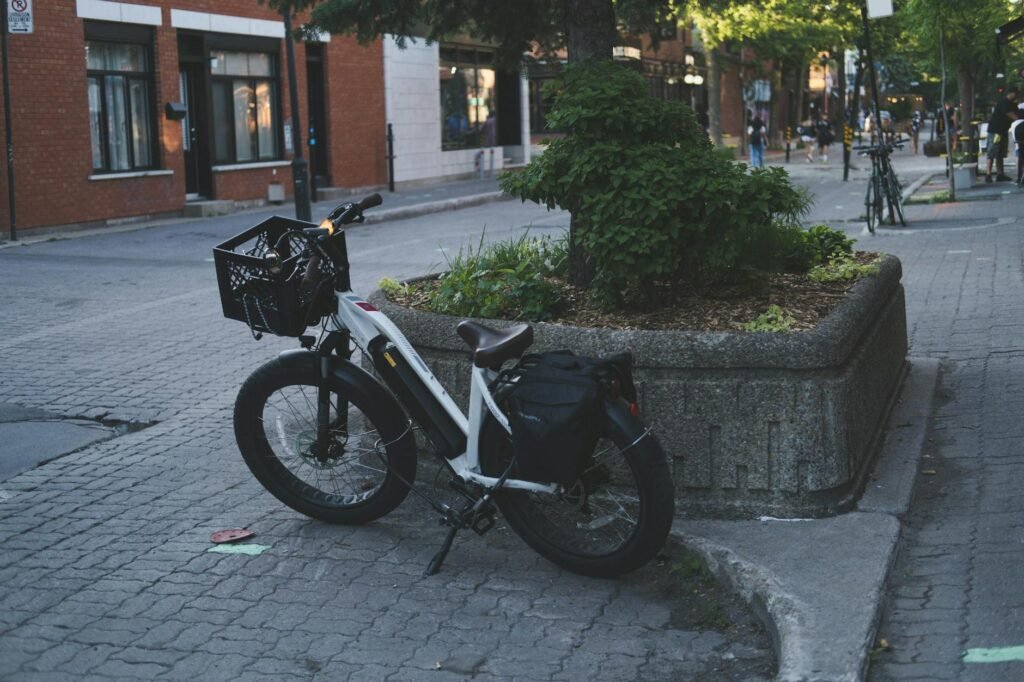
Build three zones once so you stop forgetting things
Many commuters into work who bike regularly can benefit from not viewing every day as a new packing experience. By having three established packing zones you will limit the amount of materials you have to pack each day which will then reduce the chance of leaving behind items such as chargers, socks, name badges and work shoes.
- Zone 1 of bike-resident gear is something that will be attached to your bicycle or left inside its pannier; some examples include locks, lights, a mini-tool, spare tubes, tyre levers, mini pump/inflator, and rain covers for your bicycle, as well as small straps or bungees.
- Zone 2: Office-resident kit. This stays at work: shoes, belt, toiletries, deodorant, comb, backup shirt, spare socks or underwear, phone charger, and any nonperishable desk items you keep hauling unnecessarily.
- Zone 3: Daily transfer pouch. This is the only part that should usually move with you: laptop, wallet, ID, lunch, medications, and maybe one clothing item if the weather or dress code requires it.
The daily bag should not feel very exciting when you have this arrangement, which means it is working. If your work bag has enough weight to cause the bicycle to handle differently, then you have likely not put enough weight in Zone 1 and Zone 2. An easy solution to this is to store duplicate chargers, shoes, and hygiene essentials at work. Not glamorous but this will eliminate roughly 10 minutes of daily friction and avoid a serious amount of back sweat.
How to arrive clean without building your life around a shower
Preparing to arrive clean also starts before you leave your house; so if a cleanly-dressed workplace is part of your desire, wear an easy-effort commute so that you can choose clothing based on body temperature (as opposed to temperature outside of where you work, which is how many people choose clothes). And then they will ride aggressively and claim they have been doing so for so long so the clothing is dirty when they finally arrive at work. Alternatively, riding slower in a breathable layer often helps as much or better than any personal grooming product in warmer temperatures.
- Up to about 20 minutes at an easy pace: many commuters can wear office-friendly clothes on mild days, especially if fabrics are light and wrinkle-resistant.
- It may be beneficial for some people to utilize a commute outfit and change into business attire at their office, as it allows the options of leaving a pair of shoes and spare top at the office and not have them to carry each time they ride will cut down on the amount of clothing they must carry when they wear a different outfit when commuting via their bicycle.
- When you’re going to have a longer ride (more than 40 minutes), if you’re riding a hilly route, or if you’ll be riding in hot, humid conditions, treat it like light exercise. Wear work clothes that you rotate while at the office, use a small towel to dry off before changing into street clothes, and let yourself cool down for a few minutes after the ride before changing.
- If your first meeting is with a client or is of a high-stakes nature, then protect your working time by not riding. This may include riding the bus, using a bike with low assistance, or waiting for cooler mornings to ride your bike.
Your clothing and arrival routine are just as important. Take a minute to walk, drink some water and will quiet your body down before putting on your work clothes. The best way to keep sweating is to get dressed before you cool down. Giving yourself 5 minutes to cool down before getting dressed will do more than if you put another set of toilets in your work desk.

A realistic monthly cost example
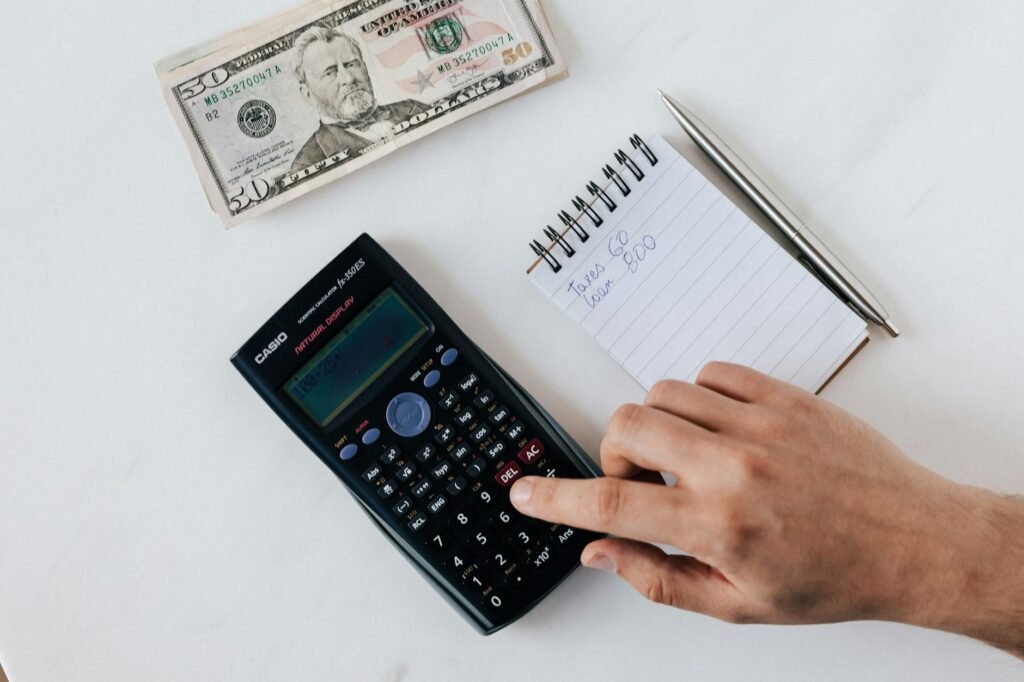
This is an example of composite, realistic numbers. Jordan will drive to the office for 12 miles round trip, which means he will commute 156 miles for the month to be there 13 days. Since Jordan owns his vehicle already, we will assume that there is only a marginal cost of commuting, not that the cost of owning and operating a vehicle just disappears overnight.
| Cost item | Driving to the office | Bike commute |
|---|---|---|
| Parking | $14 a day x 13 days = $182 | $0 |
| Fuel | About 156 miles at 30 mpg and $3.50 gas = about $18 | $0 |
| Wear and small maintenance allowance | About $15.60 using a modest $0.10 per-mile allowance for commuting wear | About $12 a month for routine bike maintenance |
| Gear or vehicle setup | $0 new setup assumed because Jordan already owns the car | About $31 a month by spreading a $750 used bike plus commuter gear package over 24 months |
| Backup transportation | Often ignored, but one paid garage or rideshare day can add more | About $10 for two transit backup rides |
| Estimated monthly total | About $216 | About $53 |
In this example, the bike plan saves roughly $163 a month even while counting the bike purchase. If Jordan already owns a workable bike, the gap gets larger. If parking is free at work, the math gets closer, but the commute may still save cash on fuel, wear, and surprise paid trips. The important habit here is honest accounting. Compare the costs you actually stop paying, not a giant annual car-cost number that does not change just because you rode in on Tuesday.
For a majority of employees who fill out W-2 Tax Returns, commuting costs are classified as personal expenses and therefore not tax deductible. As a result, bike commuting usually provides a cash flow benefit as opposed to a tax strategy. If you are self-employed, eligible for a home office deduction, or receive employee commuting reimbursement OR commuter benefits from your employer, obtain tax advice before assuming any special treatment will be given to your situation.
Your 15-minute weekly reset
- Pick your bike days based on your calendar, not your enthusiasm. Days with early external meetings or formal presentations may need a backup mode.
- Restock the office kit once a week. Replace the backup shirt, socks, toiletries, and any snacks or grooming items you used.
- Charge lights and any e-bike battery, check tire pressure, and confirm the lock and flat kit are where they belong.
- Pack the daily transfer pouch the night before. If you are still packing from scratch in the morning, the system is doing too much work.
- Review the forecast and choose the right version of the commute. Dry ride, wet ride, transit assist, or full backup should all be planned before you leave home.
Common mistakes that quietly wreck punctuality and savings
- Riding too hard and then spending money trying to solve the sweat problem with more gear.
- Using a backpack for a load that really belongs in a pannier or office drawer.
- Carrying dress shoes, chargers, toiletries, and lunch every single day instead of storing duplicates.
- Choosing the scenic route for a workday when the direct route is more predictable.
- Skipping flat-tire practice and discovering on a rainy morning that you cannot use your repair kit quickly.
- Ignoring secure parking until after buying an expensive commuter bike or e-bike.
- Failing to budget for occasional backup transportation, then feeling like the plan failed because one stormy day required transit or a rideshare.
When the straightforward plan is not enough
Some commutes need a modified version, and that is fine. The goal is not purity. It is reliability. If the simple ride-to-work setup keeps breaking, adjust the system instead of quitting the idea entirely.
- No shower and a hot climate: use a slower pace, lighter clothing, and a longer cool-down. If that still does not work, an e-bike or mixed bike-plus-transit commute may be the practical answer.
- Formal dress code: rotate clothing at the office. Bring shirts or dresses once or twice a week in a garment bag rather than daily.
- Lack of safe parking means you must contact your Building Management or HR to determine if they have any indoor parking (including via cages) or storage areas to store your bicycle in. Otherwise, if the answer is No, you may consider using a folding bicycle or a lower profile bicycle for commuting instead of leaving your expensive bicycle locked up outside for the whole day.
- Heavy work gear: if your job requires a large laptop, files, tools, or multiple devices, bike one direction and use transit or a car for the other. A partial win still counts.
- If you’re going to ride long distances, once your ride moves beyond the point of `showing up` they also become about choosing selective days to go biking. Two days a week on a dependable bike are better than attempting to go for five days a month.
Pressure-test the system before you rely on it
- Do two test rides on real workdays at the actual time you would leave home.
- Measure three separate numbers: ride time, cool-down time, and total door-to-desk time.
- Write down what you carried but did not use. Those items are candidates for Zone 2 storage at the office.
- Track one source of stress each trip: a bad intersection, a clothing issue, a parking problem, or a timing problem.
- After two weeks, change one variable at a time. If you alter the route, clothing, bag, and departure time all at once, you will not know what fixed the problem.
Your bike commute is established for regular use when it is experienced as something to be done regularly instead of through heroic efforts. If you have been late more than once in a 14-day period, keep arriving at your job feeling overheated, or keep leaving behind something that you routinely carry with you to work, you still need to revise the system before it works for you. This does not mean you have failed; this means you are test riding the bike system. The goal is to develop the versions of the bike system that you feel comfortable using when going to your office on a routine work day.
Bottom line
Logistics mainly dictate a successful office bike commute. You want to choose a reliable route; leave appropriate items at work; carry less; ride in an easier manner; and develop a genuine backup plan. If these items are established, bike commuting may be less expensive than driving; provide a sense of peace compared to racing around for parking; and be much easier to repeat. The exercise you receive from riding is an added benefit. The ultimate accomplishment will be developing a commuting system that performs in a positive manner during the pressure of weekday commuting.
FAQ
How far is too far for an office bike commute if I need to stay presentable?
While there is no mileage limit that fits everyone, all commuters new to commuting will typically find that a distance of approximately 3 to 7 miles (one way) is manageable and sufficient to commute reliably. However, as you go beyond this distance, pace, hilly terrain, various weather conditions, and dress codes are more significant than just distance. If you currently have difficulty passing the appearance and punctuality components of the PACE Audit, it may be wise for you to consider alternate methods of getting to work such as using an e-bike, combining modes of transportation, or riding less frequently.
Do I need a shower at work?
No, not always. Many people who ride at a moderate, easy pace for shorter length rides usually do well by just having a clean shirt to change into when they get to work, a few things to wash up when they arrive at work, and providing time to cool down before getting dressed. Access to taking a shower at work becomes really important in hot, humid or hilly weather, but showers are not the only option available to you.
Is a backpack or pannier better for commuting to the office?
The majority of office riders who use their laptops prefer to use panniers rather than backpacks due to the decreased strain on their shoulders and less back perspiration. Backpacks are suitable for only short commutes when you are carrying minimal weight; however, as soon as you include your lunch, extra clothing or a lock you will find that the comfort and cleanliness of arriving at work is usually greatly enhanced with a rack and pannier as opposed to a backpack.
How much can bike commuting realistically save?
The decision of whether or not to purchase a car rather than rely solely on a bike will vary greatly depending on the aforementioned factors. For instance, if you already own your bike and pay to park it, you can save money very quickly by not having to park, fuel, wear, etc. If you have not yet purchased your bicycle, break the cost of the bicycle up over 18-24 months and compare to the actual amount of money you have stopped spending compared to the inflated theoretical number.
Is an e-bike worth it for commuting to work?
You may find that an e-bike could be an option for you if you have obstacles that are prevent your standard bike from being suitable for your regular commute. In addition to making regular commuting more reliable, using an e-bike may provide you with a compelling financial case for choosing to use a bike rather than a car to commute.
What if my office does not offer secure bike parking?
A real limitation, not just something minor. Make sure you ask about bike parking indoors (and secure parking), a badge-access restroom, or an available storage area before deciding if you can do some regular biking to/from work. If there is no secure parking area, consider using a folding bicycle or a less expensive commuter bicycle instead of leaving a more valuable bicycle outside for an entire day.