
- A short city ride usually feels hard for one of five reasons: poor fit, too-hard gearing, soft tires or light maintenance issues, too much weight on your body, or a route that forces repeated stressful starts. (rei.com)
- Most beginners do not need a faster bike first. They need a setup check, a pressure gauge, smarter shifting, and a calmer route. (bikeleague.org)
- On paved roads, low tire pressure increases rolling resistance, and pushing a hard gear from every stop can drain your legs quickly. (schwalbe.com)
- For short urban trips, riding at a relaxed pace and choosing a route based on traffic, terrain, and road condition often matters more than taking the absolute shortest line. (bikeleague.org)
- Use a properly fitted bicycle helmet, and if you ride at night or in poor visibility, use a white front light and a red rear light or reflectors. (cpsc.gov)
A beginner often assumes that a painful two-mile ride means they are out of shape. That is usually the wrong diagnosis. Short city trips are full of small energy leaks: a saddle that is a little too low, tires that are softer than they should be, a backpack that bounces, a hard gear at every red light, and a route that looks short on a map but makes you stop and re-accelerate over and over. Poor fit can lead to inefficient riding, aches, and general discomfort, and low tire pressure on paved streets raises rolling resistance. (rei.com)
Your finances will be affected by this as well. When novice cyclists try to alleviate fatigue, it’s common for them to look for a lighter-weight bicycle, softer seat or additional equipment. Generally speaking, the first solution to alleviate fatigue is inexpensive – it can be done by adding inflation (air) to your tires, or adjusting to saddle height, adjusting shifting of your bike (the gear you are using) or performing a bike tune up or moving things that are too heavy from your back. This is an example of an equipment-related transport issue where a small amount of time spent on proper setup will save money in the long run by not making an expensive mistake in purchasing incorrect equipment.
Why short city rides can feel weirdly hard
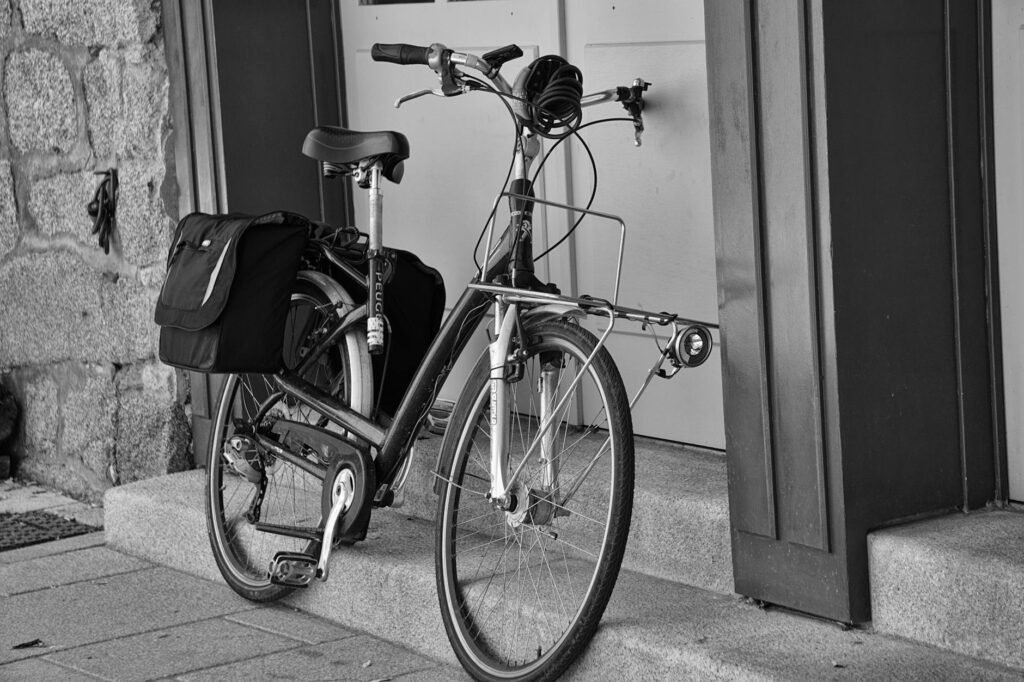
Urban riding is not steady-state exercise. It is stop, go, turn, brake, restart, dodge rough pavement, and climb little rises that barely matter in a car but show up immediately on a bike. Route choice for commuting should account for traffic volume, road width and condition, and terrain, and PeopleForBikes notes that disconnected or poor bike networks can create inefficient trips. A slightly longer route with fewer stops and calmer streets can feel easier than a shorter route that keeps forcing hard accelerations. (bikeleague.org)
Run the SHORT Ride Audit before you buy anything
Next time a short ride seems to take more effort than expected, use the five-part scorecard below. Rate yourself as follows: 0 points (if the item appears okay), 1 point (if the item may be a problem), or 2 points (if the item is definitely a problem). If you score out of 5 or more, you should consider fixing the basics rather than upgrading your current riding gear.
| Factor | What to check in 60 seconds | What a problem looks like | First fix |
|---|---|---|---|
| S = Setup | Saddle height, reach to bars, hand pressure | Knees stay very bent, arms lock out, your neck or hands ache, or you feel perched or cramped. (rei.com) | Adjust saddle height first. If reach still feels wrong, get a basic shop fit. |
| H = Hard gearing | Your gear at the last stoplight or small hill | You push a heavy gear from every stop and your cadence drops into a grind. (rei.com) | Shift earlier and use an easier gear before the stop or climb. |
| O = Overcarrying | What is on your back versus on the bike | Your laptop, lock, lunch, and water are all riding on your shoulders, and you arrive hot and tense. (bikeleague.org) | Move routine cargo to a rack, basket, or pannier. |
| R = Route stress | Stops, traffic, rough pavement, little hills | The route is short but full of hard restarts, potholes, and tense traffic. (bikeleague.org) | Test a calmer route, even if it adds a few minutes or blocks. |
| T = Tires and tune-up | Pressure, brake rub, chain condition, quick check | Tires feel soft, brakes drag, the chain is dirty, or the bike just feels sluggish. (bikeleague.org) | Use a gauge, do an ABC Quick Check, and book a tune-up if needed. |
The practical spending rule is simple: fix the highest-score item first. If Setup or Tires and tune-up score a 2, that is usually a better use of money than chasing performance parts. A floor pump with a gauge, a basic tune-up, or a modest cargo setup often does more for daily comfort than a flashy upgrade. (bikeleague.org)
The mistakes that drain beginners fastest
1. Riding a bike that is close enough, but not actually comfortable
This is the most common beginner error because it hides in plain sight. A bike can look like the right size and still be inefficient. REI notes that poor fit can lead to inefficient riding, muscle aches, and general discomfort, and Trek’s fit guidance says comfort, efficiency, and balance all depend on setup details like seat height, handlebar height, and reach. (rei.com)
The beginner version usually looks like this: the saddle is too low, so every pedal stroke feels squatty, or the bars are too far away, so too much body weight ends up on your hands and shoulders. Fix the saddle height first. If the bike still makes your wrists, neck, or lower back unhappy after a few short rides, treat that as a fit issue, not a toughness issue. (rei.com)
2. Starting every light in too hard a gear
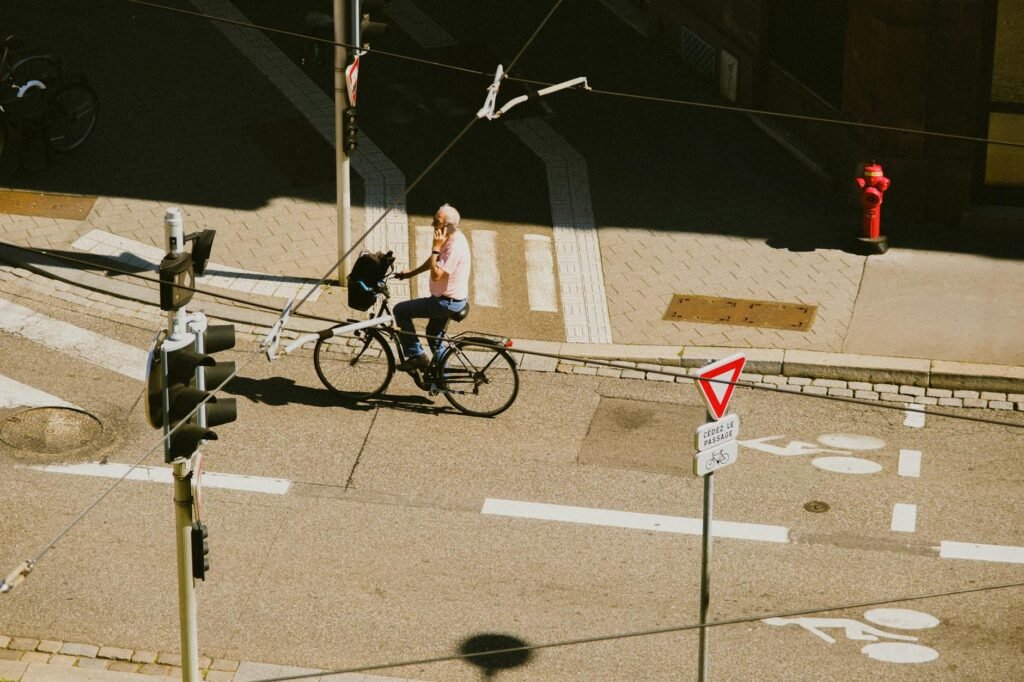
New riders often equate a harder gear with being strong or fast. That works for about 20 seconds. REI’s shifting guidance is clear that an easier gear with a higher cadence is more efficient than pedaling slower in a harder gear, and Trek advises choosing gears early rather than waiting until the pedals are under heavy load on a hill. (rei.com)
Every time you stop at a red light while riding in urban areas, this error in judgment is made. If you roll to the stop sign and do not downshift from a high gear or if you roll up and down hill on your way to arrive at the same intersection, your next go will turn into an mini strength conditioning workout. If you do this 8 times within 3 miles of your rides; this will feel much longer than 3 miles.
3. Guessing at tire pressure instead of checking it
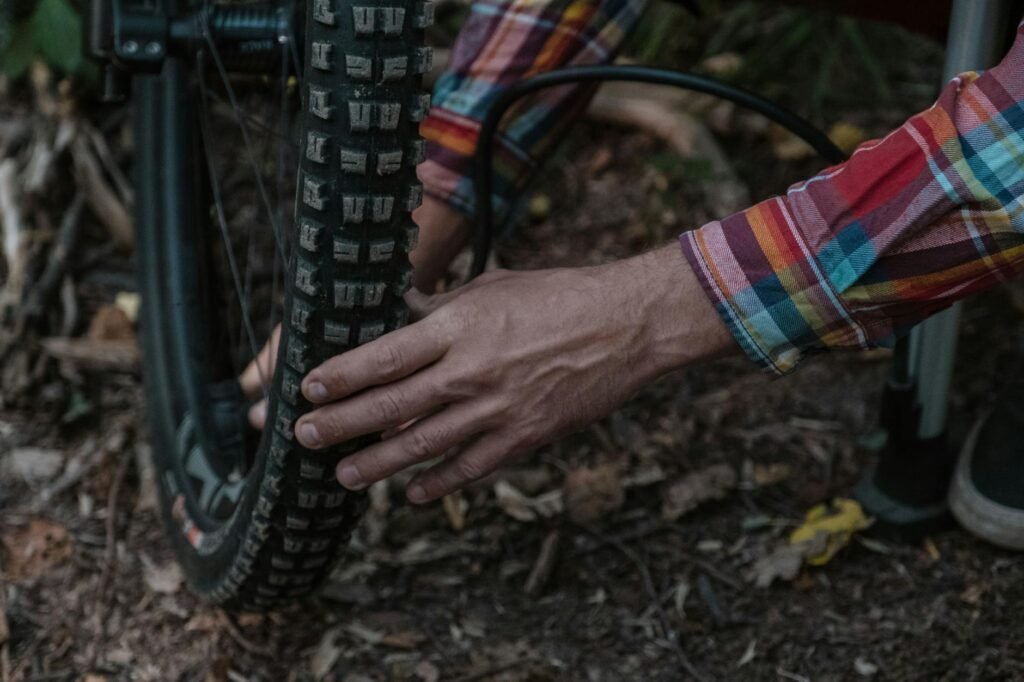
Soft tires are one of the cheapest problems to fix and one of the easiest to miss. Schwalbe’s guidance says that on smooth road surfaces, higher air pressure lowers rolling resistance, and it also notes that bicycle tires lose pressure over time. The League of American Bicyclists puts air first in its ABC Quick Check for a reason. (schwalbe.com)
The fix is not to inflate as hard as possible. The fix is to use a gauge and stay within the pressure range printed on the tire sidewall. If your city streets are rough, you may prefer the lower end of that range. If the ride feels sluggish on pavement, check pressure before you blame your legs. (schwalbe.com)
4. Ignoring small maintenance problems that act like invisible brakes
A bike does not need to be broken to feel tiring. Slight brake rub, a dirty chain, loose cranks, or an underinflated tire can make a short trip feel sticky and slow. The League’s ABC Quick Check covers the basics: air, brakes, chain and cranks, quick releases, and a short test ride before you head out. (bikeleague.org)
If you ride your bike to get around, respect your bike as transportation. It’s better to do a simple pre-ride check or basic tune on your bike when it begins to feel like it has issues than it would be to just accept that after a while, you must buy an entirely new, expensive bike.
5. Carrying everything on your back
For occasional rides, a backpack is fine. For regular city trips, it can become a big part of the problem. The League’s commuting guidance explicitly lists racks, panniers, and baskets as cargo options, with backpacks as an alternative if you do not have a rack. That is a subtle way of saying the bike can often carry the load better than your body can. (bikeleague.org)
To minimize the amount of weight on your bike, try to put as much as possible on the bike such as a laptop, lock, lunch, a change of clothes, and water. A rear rack does qualify as a luxury as it changes your daily commute from being sweaty and stressed to being manageable through easy storage for items on a rack or in a simple pannier or basket.

6. Treating a short errand like a training ride
A lot of beginner fatigue comes down to pacing errors. The League notes that if you have a short commute, you can often ride in work clothes at a relaxed pace. That is a useful clue. A city trip is not automatically a fitness test. If you surge away from every light, sprint to beat every yellow, and mash a big gear on every rise, the ride will feel harder than it needs to. (bikeleague.org)
7. Choosing the shortest route instead of the least draining route
Beginners tend to plan routes by mileage alone. That misses the real stressors. The League recommends considering distance, traffic volume, road width and condition, and terrain. PeopleForBikes adds that good bike networks are connected and designed to keep speeds reasonable and space protected. In plain English, a route with fewer fast cars, fewer full stops, and smoother pavement may save more energy than one that is technically shorter. (bikeleague.org)
A realistic example: how a 3.4-mile commute gets easier without a new bike
Consider a composite beginner rider with a 3.4-mile each-way commute on a used hybrid bike that cost $400. The ride takes 22 minutes and feels like an 8 out of 10 effort. The rider carries an 11-pound backpack with a laptop and lunch, forgets to downshift before lights, and has not checked tire pressure in weeks. The shortest route also includes nine stoplights and a short but punchy hill.
Instead of buying a new bike, the rider spends about $30 on a floor pump with a gauge, $65 on a basic tune-up, and $50 on a used rear rack. Total: $145. After setting tire pressure within the tire’s printed range, raising the saddle slightly, shifting down before stops, and taking a route that is 0.4 miles longer but has only four stoplights, the same commute drops to 19 minutes and feels like a 5 out of 10 effort. The lesson is not that every ride improves by exactly that amount. The lesson is that cheap friction points stack up fast, and removing them can change the whole ride.
The 10-minute pre-ride reset
- Check tire pressure with a gauge, and stay within the range printed on the tire sidewall. Bike tires lose pressure over time, so thumb-testing is not enough. (schwalbe.com)
- Run an ABC Quick Check: air, brakes, chain and cranks, quick releases, then take a brief slow roll to make sure the bike feels normal. (bikeleague.org)
- Set yourself up for the first restart. If you know you will hit a stoplight soon, shift into an easier gear before you stop. (rei.com)
- Move recurring cargo off your back if possible. For daily trips, let the bike carry more of the load. (bikeleague.org)
- Pick today’s route by effort, not just distance. Calm streets and fewer stops often beat the shortest path. (bikeleague.org)
- Wear a properly fitted bicycle helmet, and use a white front light plus a red rear light or reflectors at night or when visibility is poor. (cpsc.gov)
Common mistakes that sound reasonable but usually backfire
- Buying a softer saddle before checking fit. Many comfort problems start with seat height, reach, or overall position. (rei.com)
- Assuming harder gears are more efficient. For most beginners, they usually just drain the legs and make restarts miserable. (rei.com)
- Estimating tire pressure by feel. Use a gauge. (schwalbe.com)
- Keeping every daily item in a backpack even after the route becomes routine. (bikeleague.org)
- Changing fit, route, pace, and pressure all on the same day, then not knowing what actually helped.
- Riding through numbness, persistent hand pain, or saddle discomfort as if it will solve itself. Poor setup can contribute to ongoing pain or numbness. (rei.com)
When the basic fixes still are not enough
Sometimes the first plan is not enough. If you still feel overworked after fixing tire pressure, shifting, cargo, and route choice, the issue may be a bike that simply does not suit you well. REI’s comfort guidance notes that if frame geometry does not match your intended riding position, there may be limits to what adjustments can fix. Trek also notes that after a brief adjustment period, a bicycle should not keep causing aches, pains, or numbness. (rei.com)
- Get a basic professional fit if you cannot find a comfortable position on your own. (rei.com)
- If your city route is inherently stressful, try a longer but calmer route, or split the trip with transit on the hardest days. (bikeleague.org)
- Using a more upright bike, lower gearing or electric assist might help you get there without getting overly sweaty and tired from pedalling up hills and through stop and go traffic as opposed to trying to power your way through on the same bike.
This article does not provide medical advice; it is for informational purposes only. If you experience chest pain, dizziness, fainting, or an unusual lack of breath during a short ride, stop riding immediately and contact a doctor. Check your state and local laws regarding helmet, light and lane usage, as well as whether riding on sidewalks is permitted before you ride.
How to verify that the changes are actually working
Use an A/B test as opposed to guessing. Pick one route and ride it twice over the course of one week at roughly the same time of day. Record the following 4 numbers for each ride: total time of each ride; number of times you came to a complete stop; subjective rating of your physical exertion (on a scale of 1 to 10); and any areas of discomfort (pain points). After completing the 2 rides, make a single adjustment to one of these parameters: tire pressure; saddle height; gearing; weight carried in backpack; or, route choice. Repeat the ride. If you experience a decrease in effort but the same total ride time, then this adjustment was beneficial to your performance. However, if your total time is faster but your effort level is greater than the second ride, then it’s possible you simply rode harder during the second ride.
New riders frequently stack fixes and expect the most expensive remedy to resolve their issue. The most effective test is simply boring: one alteration, the same path, and honest records. This method will help determine if one fix was superior due to better air, better fit, or simply the route that had less wear and tear.
Bottom line
If short city rides leave you cooked, do not assume you need more grit or a more expensive bike. Start with the basics: fit, gearing, tire pressure, maintenance, cargo, and route choice. Those are the beginner mistakes that make a quick trip feel like a slog, and they are also the easiest places to get real improvement without overspending. (rei.com)
FAQ
Why does a two-mile city ride feel harder than a longer weekend ride?
Because the city ride usually has more stop-start work, more forced accelerations, more traffic stress, and less steady pacing. Add a fit issue or soft tires, and a short trip can feel disproportionately hard. (bikeleague.org)
Should I buy a better bike before I try anything else?
Usually not. First check fit, tire pressure, shifting habits, and basic maintenance. Those fixes are cheaper and more likely to solve beginner fatigue than buying a new bike right away. (rei.com)
Do I need special cycling clothes for a short city trip?
Not necessarily. The League of American Bicyclists notes that for a short commute, many riders can simply ride in work clothes at a relaxed pace. (bikeleague.org)
How often should I check tire pressure?
Regularly, not just when the tire looks flat. Schwalbe notes that bicycle tires lose pressure continuously, and the League’s ABC Quick Check starts with air for a reason. (schwalbe.com)
What if I fixed the basics and the ride still feels bad?
That is the point to look more closely at bike fit, frame suitability, and route limitations. If you still have persistent pain or numbness, get a professional fit and consider whether your bike or route is the wrong match for the job. (rei.com)
References
- CPSC: Bicycle Helmets Business Guidance – https://www.cpsc.gov/Business–Manufacturing/Business-Education/Business-Guidance/Bicycle-Helmets
- NHTSA: Bicycle Safety – https://www.nhtsa.gov/Bicycles
- League of American Bicyclists: Basic Bike Check – https://bikeleague.org/videos/basic-bike-check/
- League of American Bicyclists: Commuting – https://bikeleague.org/ridesmart/commuting/
- REI Expert Advice: Bike Fitting Basics – https://www.rei.com/learn/expert-advice/bike-fit?related-style-id=216583
- Trek Owners Manual: Fitting Your Bicycle – https://www.trekbikes.com/sg/en_SG/owners-manual/fitting-your-bicycle/
- REI Expert Advice: How to Use Bike Gears – https://www.rei.com/learn/expert-advice/bike-gears-and-shifting.html
- Trek Owners Manual: Riding Tips – https://www.trekbikes.com/us/en_US/owners-manual/riding-tips/
- Schwalbe: Tire Pressure – https://www.schwalbe.com/en/technology-faq/tire-pressure/
- Schwalbe: Rolling Resistance of Bicycle Tires – https://www.schwalbe.com/en/technology-faq/rolling-resistance/
- PeopleForBikes: What Makes a Good Bike Network? – https://www.peopleforbikes.org/news/what-makes-a-good-bike-network
- REI Expert Advice: How to Improve Comfort While Cycling – https://www.rei.com/learn/expert-advice/cycling-comfort.html