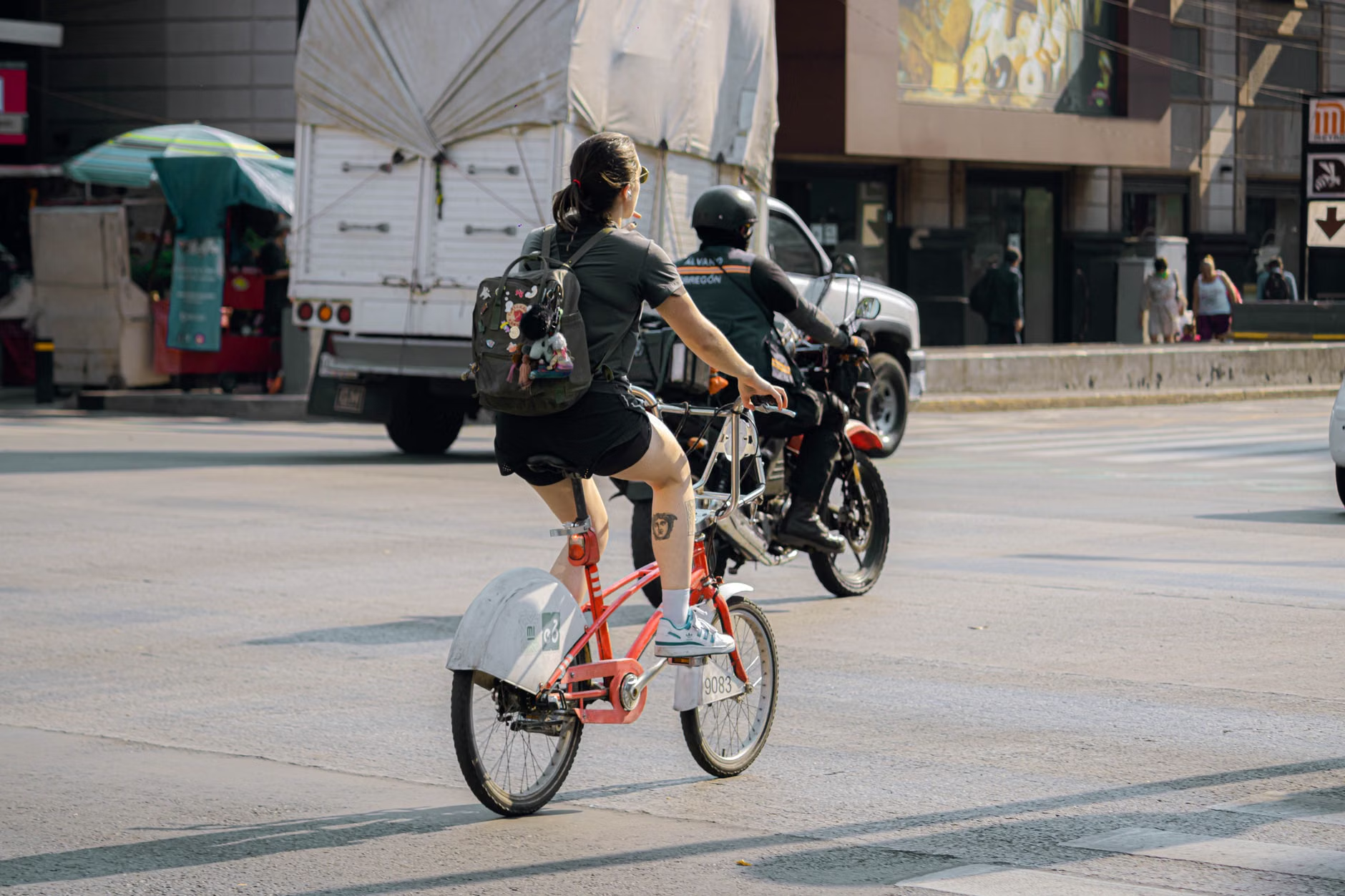
Cycling Safety
A practical guide for city riders on staying calm, creating space, reporting serious threats, and reducing the odds that a bad driver encounter turns into something worse.


A practical guide for city riders on staying calm, creating space, reporting serious threats, and reducing the odds that a bad driver encounter turns into something worse.
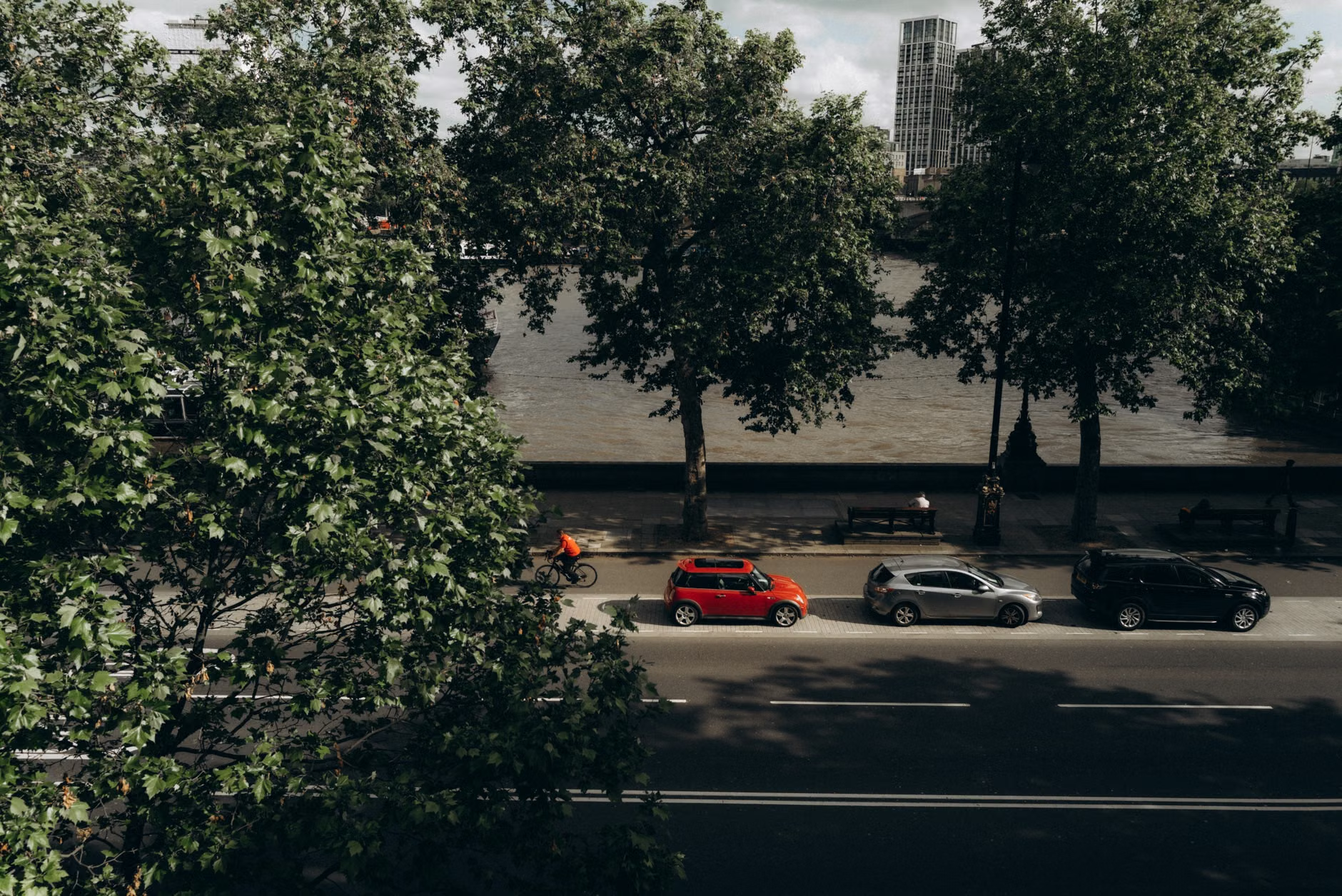
Door-zone crashes are easy to underestimate because the threat comes from parked cars, not moving ones. Here’s why they remain such a persistent city cycling hazard, and how riders can position, scan, and decide more use
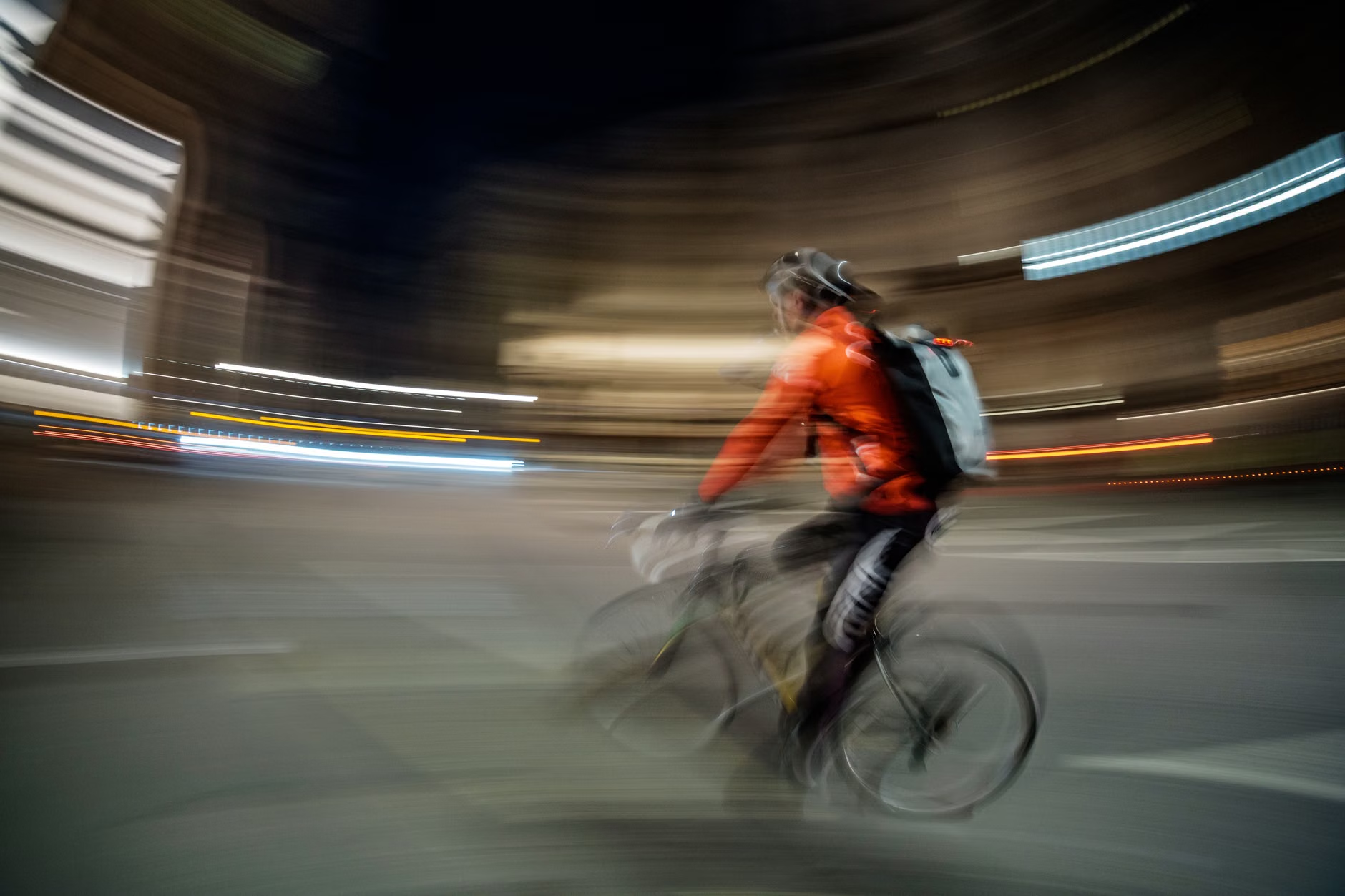
Night riding is not just daytime cycling with extra lights. After dark, the safety problem changes: drivers have less time to detect and interpret what they are seeing, hazards are harder to read, and route choice starts
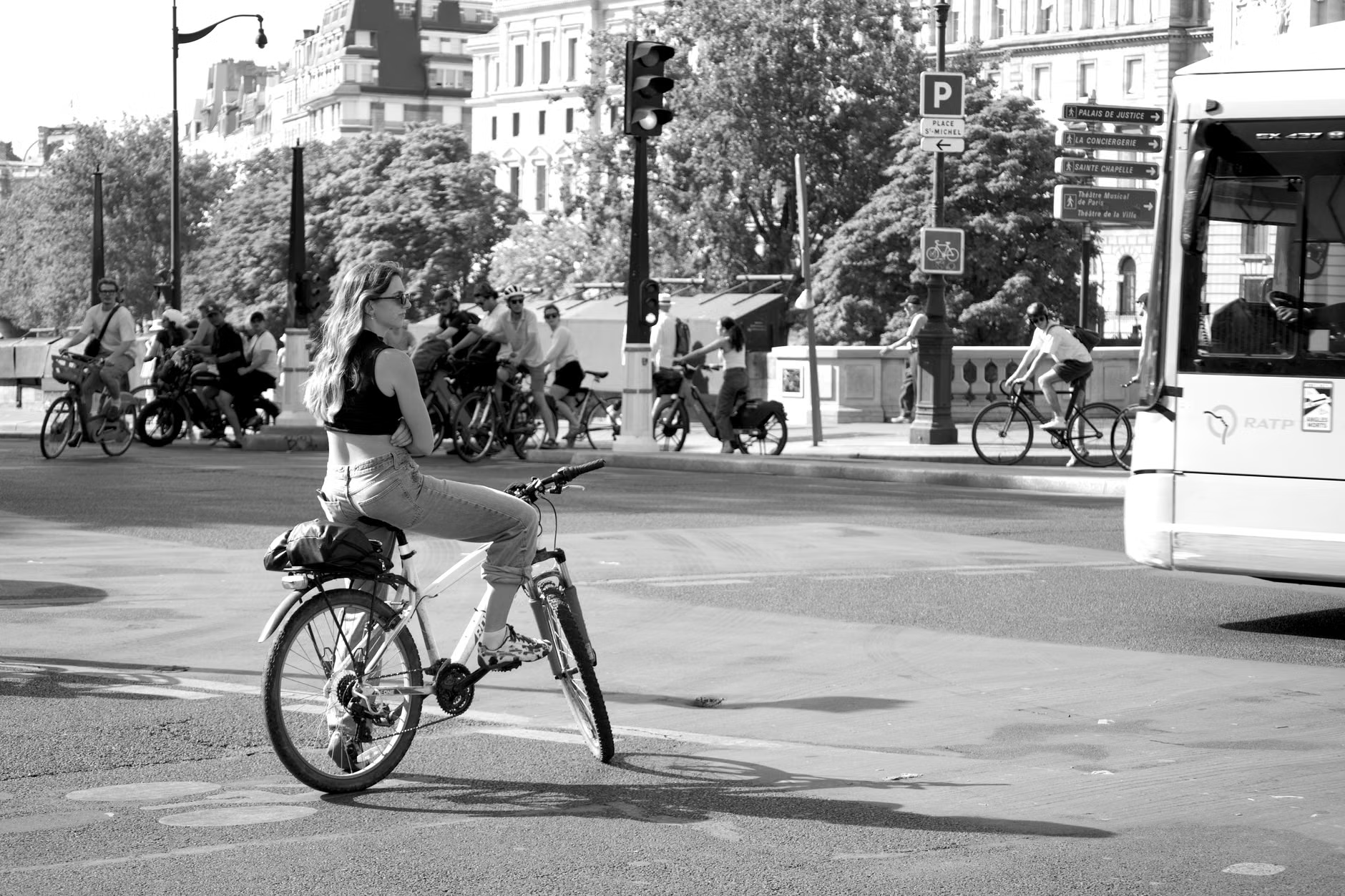
Intersections create a different kind of cycling risk: not just speed or traffic volume, but turning conflicts, blind spots, mixed signals, and split-second decisions. This article breaks down the less obvious hazards at
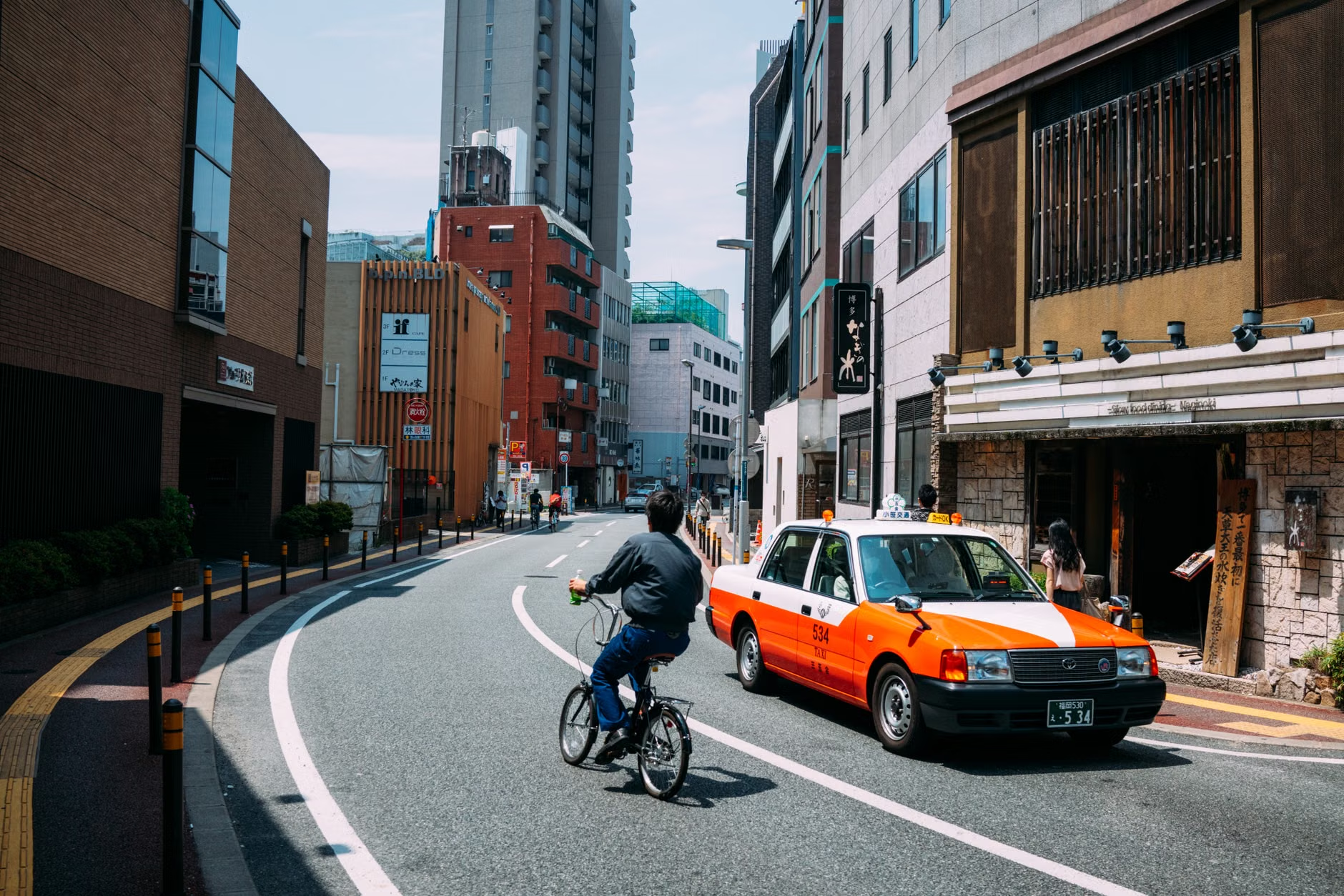
The safest place in busy city traffic is rarely the curb. Here’s how to choose a visible, predictable riding line, when to take more of the lane, and how to handle door zones, turn conflicts, and large vehicles.

The city-riding braking mistake is usually not weak brakes. It is waiting too long, then making a sudden, rear-heavy stop instead of shedding speed early with controlled use of both brakes.